
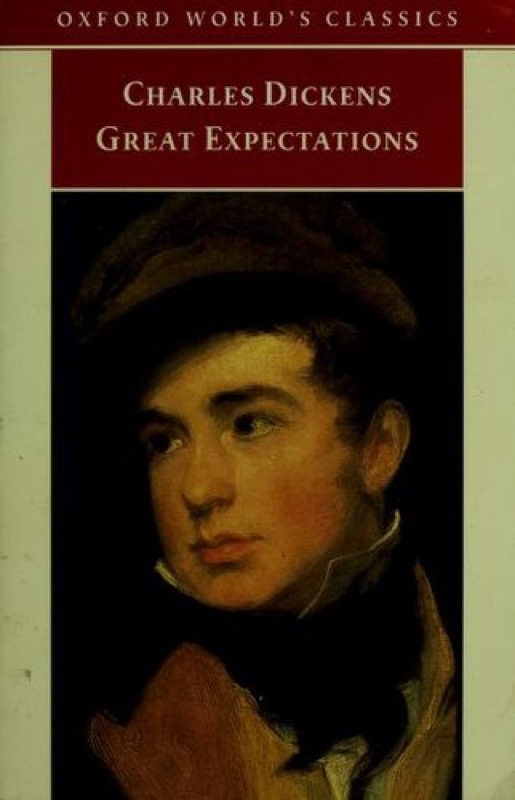
Great Expectations
Hook & thesis
Charles Dickens’ Great Expectations is a profound exploration of ambition and social mobility, encapsulated through the journey of its protagonist, Pip. Verdict: The novel transcends its coming-of-age framework to reveal the inherent moral complexities of desire and identity in a stratified society.
The contextual pivot
Set against the backdrop of Victorian England, Great Expectations straddles the line between realism and the emerging psychological novel. Dickens, known for his intricate characterizations and social critiques, crafts a narrative that echoes the themes of class disparity and personal growth seen in works by contemporaries like George Eliot and later, Thomas Hardy. The invisible audience here is both the Victorian reader grappling with class issues and modern readers navigating similar concerns, making Dickens’ work a bridge from niche literary tropes to broader societal discourses.
Deep-dive critique
The novel’s structure employs a first-person narrative that not only personalizes Pip’s emotional landscape but also allows readers to engage with his flawed perceptions. This choice serves a dual purpose: it invites sympathy while simultaneously critiquing Pip’s privilege and naivety. Dickens’ use of rich, evocative prose enhances character depth, particularly in scenes of moral crisis—think of Pip’s tumultuous relationships with Estella and Magwitch, which embody themes of unrequited love and abandonment. However, the pacing can falter in the latter sections, where plot threads begin to meander, diluting the narrative tension built earlier. The ending, while resolving Pip’s journey, raises questions about the nature of happiness and fulfillment, leaving some readers feeling ambivalent about the moral lessons imparted.
Discussion launchpad
Great Expectations is rife with polarizing elements that can spark rich debate:
- The moral implications of Pip’s transformation: Is he a tragic hero or a cautionary tale?
- The role of female characters like Estella and Miss Havisham: Are they fully realized individuals or mere reflections of Pip’s desires?
- The representation of social class: Does Dickens ultimately offer a hopeful vision of social mobility or a critique of its false promises?
Questions for the room:
- How does Dickens balance sympathy and critique in Pip’s character arc?
- In what ways do the novel’s themes resonate with contemporary issues of class and identity?
- What is the significance of the ending, and does it align with the rest of the narrative?
- How do the characterizations of Estella and Miss Havisham challenge or reinforce gender norms of the Victorian era?
- Can we view Pip’s expectations as a critique of ambition itself?
#CollegeLit #FreshmanYear #Canon #VictorianLiterature #ComingOfAge