
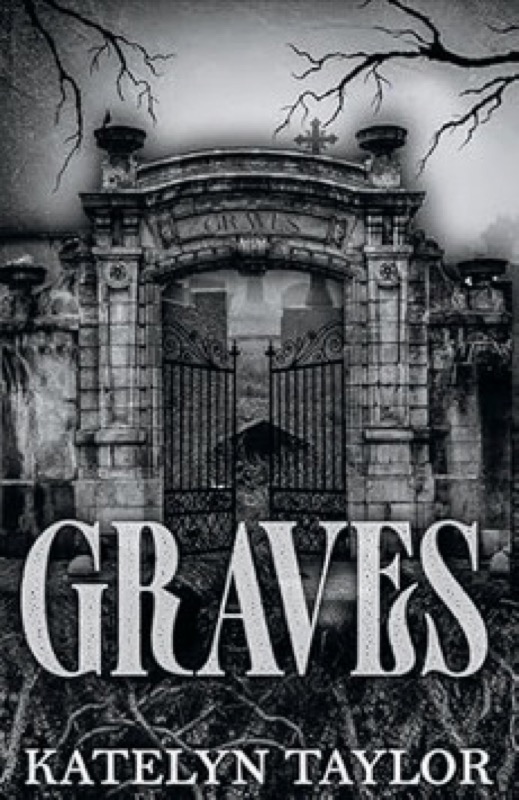
Graves
Hook & thesis
In Katelyn Taylor’s Graves, the haunting interplay of grief and desire propels a gothic romance that transcends mere genre conventions, delving into the human psyche’s darkest corners. Verdict: This book masterfully intertwines the ethereal with the visceral, crafting a narrative that lingers long after the last page is turned.
The contextual pivot
Graves stands at the intersection of gothic horror and romance, a space where the supernatural collides with the profound depths of human emotion. Taylor, who has carved a niche within this genre, invites readers to explore themes of loss and longing amidst a backdrop of cemetery imagery and spectral presences. Unlike more mainstream gothic works, which may flirt with sensationalism, Taylor opts for a more introspective approach, appealing to an audience that craves both the eerie and the poignant. In doing so, she bridges niche tropes with broader themes of grief, making her work accessible to a wider audience, including those who may typically shy away from horror.
Deep-dive critique
The novel’s structure is both its strength and its Achilles’ heel. Taylor employs a non-linear timeline, weaving past and present to accentuate the protagonist’s emotional state — a technique that immerses the reader in the fog of grief. However, at times this can lead to pacing issues, with certain threads feeling overextended while others are abruptly cut short. The prose, rich in atmospheric detail, creates an unsettling, almost claustrophobic world, yet it also risks overshadowing character development. The protagonist’s voice, while evocative, can occasionally slip into cliché, making it difficult for readers to fully engage with her internal struggles. The dialogue, lacking the sharpness needed to ground the characters in their reality, sometimes falls flat against the lush backdrop, diminishing the tension that the supernatural elements promise.
As for world-building, Taylor excels in crafting a supernatural atmosphere that feels both familiar and unnervingly foreign. The cemetery, a character in its own right, breathes life (or death) into the narrative, serving as a constant reminder of what has been lost. However, the climax, while imbued with potential, feels rushed and does not fully capitalize on the emotional stakes established earlier in the novel. The ending, though poignant, leaves the reader thirsting for deeper resolution, questioning whether the journey through grief truly culminates in reconciliation or simply leads to further haunting.
Discussion launchpad
Graves raises intriguing dichotomies, particularly regarding the nature of grief and the supernatural’s role in healing. Will the exploration of these themes polarize readers, or will they resonate universally? The novel’s handling of its gothic elements may ignite debate over the balance between atmosphere and character depth.
Questions for the room:
- How does Taylor’s depiction of grief compare to other works in the gothic horror genre?
- In what ways does the non-linear structure affect your immersion in the narrative?
- Do you find the use of supernatural elements as a coping mechanism effective, or does it detract from the emotional authenticity?
- What are your thoughts on the resolution of the protagonist’s journey? Was it satisfying or frustrating?
- How does the setting of the cemetery enhance or hinder the overall impact of the story?
#TheOrchidRoom #gothic #horrorromance #cemetery #darkheartlabs