
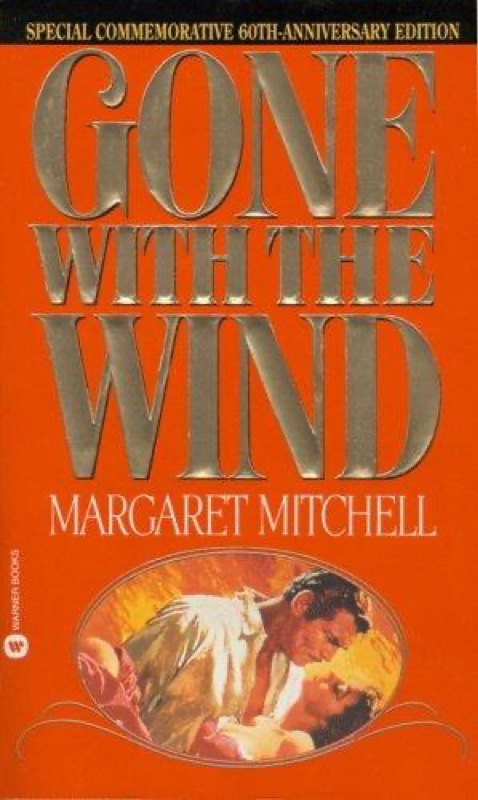
Gone with the Wind
A sweeping tale of love and loss during the American Civil War.
Hook & thesis
Margaret Mitchell’s Gone with the Wind is a sweeping exploration of love, survival, and the twisted roots of desire amidst the chaos of the American Civil War. Verdict: The novel, while celebrated for its grandeur, ultimately exposes the morally ambiguous foundations of its protagonists’ passions, revealing a dangerous entanglement of love and hate.
The contextual pivot
Set against the backdrop of a tumultuous historical period, Gone with the Wind occupies a unique space in the enemies-to-lovers genre, blending elements of dark romance with the stark realities of war and societal decay. Unlike typical romances, Mitchell crafts a narrative that intertwines personal conflict with historical context, challenging the reader to reconcile admiration for Scarlett O’Hara’s tenacity with the unsettling moral landscape of her choices. This book bridges a niche audience of historical romance aficionados with broader readers captivated by its enduring themes of resilience and vulnerability.
Deep-dive critique
Mitchell’s structure deftly navigates the complexities of time and perspective, employing a third-person limited point of view that provides intimate access to Scarlett’s psyche while simultaneously maintaining a critical distance. This choice amplifies the tension between her desires and the societal constraints she faces, presenting a protagonist who is both relatable and repugnant. The pacing ebbs and flows, mirroring the chaotic rhythm of war—a deliberate choice that immerses readers in the emotional and physical devastation of the era.
Craft-wise, the prose is evocative, filled with lush descriptions that bring the Southern landscape to life, serving as both a beautiful setting and a haunting reminder of loss. However, the dialogue occasionally falters, veering into melodrama that can detract from the authenticity of the characters’ motivations. As for world-building, Mitchell excels in constructing a vivid tableau of the Civil War’s impact on the South, yet the romanticization of certain elements raises ethical questions about the portrayal of race and class.
The ending, which features a sense of unresolved longing, reflects the broader themes of loss and unattainable desires, yet leaves some readers divided—was it a fitting conclusion or an unsatisfying conclusion to Scarlett’s journey?
Discussion launchpad
The polarities within Gone with the Wind are palpable, igniting debates around the book’s romanticization of the antebellum South and the portrayal of complex characters whose moralities are questionable at best.
Questions for the room:
- How do we reconcile admiration for Scarlett O’Hara’s strength with the problematic aspects of her character?
- In what ways does the historical context complicate our understanding of love and desire in the novel?
- Does the romantic tension between Scarlett and Rhett overshadow the moral implications of their actions?
- How effective is the novel’s ending in reflecting the themes of longing and loss?
- What responsibilities do authors have when portraying historical events and figures in romantic narratives?
#TheOrchidRoom #enemiestolovers #darkromance #historical #AmericanSouth