
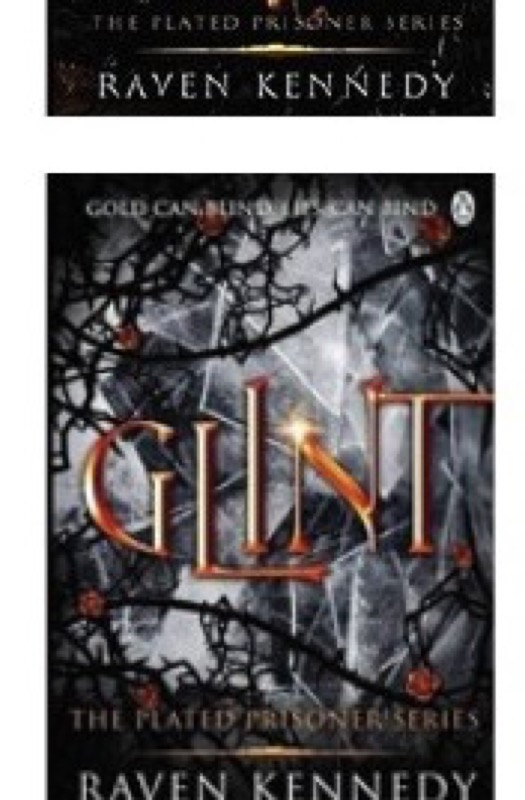
Glint
Gold can blind. Lies can bind.
Hook & thesis
Raven Kennedy’s Glint operates at the intersection of desire and entrapment, exploring the suffocating grip of manipulation through a beautifully wrought fantasy lens. Verdict: This novel is a compelling examination of how love and power can distort reality, a darkly luminous read that captivates and unnerves.
The contextual pivot
Positioned firmly within the fantasy-romance genre, Glint engages with themes of captivity and emotional complexity, reminiscent of authors like Sarah J. Maas and Jennifer L. Armentrout, yet it carves out its own distinct niche with a more gothic touch. Kennedy not only deftly navigates the expected tropes of the genre but also addresses deeper psychological dynamics that resonate with a broader audience seeking both escapism and profound introspection. The invisible audience appears to straddle those who revel in fantastical realms and those drawn to darker narratives of manipulation and desire, bridging the gap between niche fantasy enthusiasts and more mainstream readers.
Deep-dive critique
Kennedy’s structure is a significant highlight, employing a first-person point of view that immerses the reader in the protagonist’s tumultuous emotional landscape. This choice amplifies the tension, as readers experience the character’s internal struggles firsthand, particularly in her relationship with the enigmatic Midas. The pacing is expertly managed, oscillating between moments of frenetic action and quiet reflection that mirror the protagonist’s own emotional volatility, though there are moments where the narrative could benefit from tighter editing to sustain momentum.
The prose is rich and atmospheric, with vivid imagery that evokes a sense of both beauty and dread, fostering an environment where desire and danger entwine seamlessly. Dialogue is sharp, revealing character motivations and tensions without feeling forced, though some interactions tread familiar ground typical of the genre. World-building is robust; Kennedy conjures a realm that feels both opulent and oppressive, a reflection of the protagonist’s own captivity—this duality is where the novel shines, underscoring the central theme of entrapment within gilded promises.
The ending, while satisfying, raises questions about the true cost of freedom and love, leaving a lingering sense of ambiguity that is both earned and disconcerting. It prompts readers to reflect on the sacrifices made in the name of desire, mirroring the thematic concerns of manipulation and agency throughout the text.
Discussion launchpad
Kennedy’s Glint invites polarizing discussions about the ethics of love and power dynamics. The tension between desire and autonomy is palpable, raising questions about the nature of affection when entangled with manipulation.
Questions for the room:
- How does the portrayal of captivity shape our understanding of romantic love in the novel?
- In what ways does Glint challenge or reinforce traditional narratives surrounding consent and power?
- What role does the fantasy setting play in amplifying the story’s darker themes?
- How do the characters’ motivations reflect societal views on wealth and beauty?
- Is the ambiguous ending a triumph of storytelling or a frustrating narrative choice?
#TheOrchidRoom #fantasyromance #darkromance #literaryanalysis #RavenKennedy