
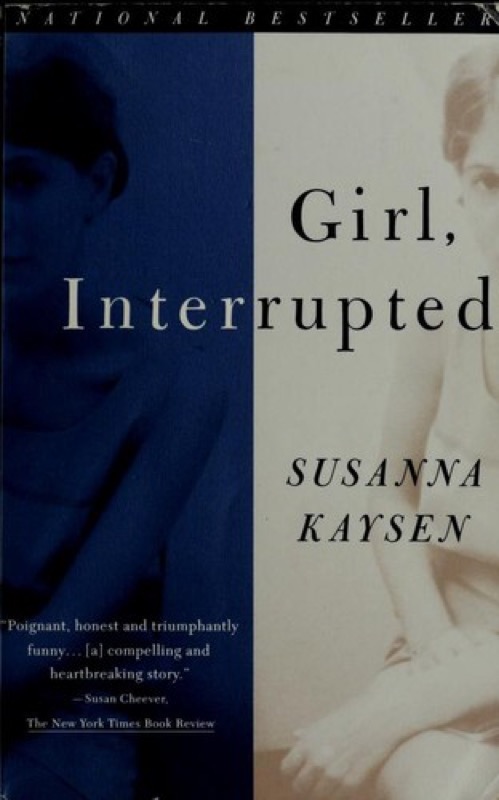
Girl, Interrupted
Hook & thesis
In Girl, Interrupted, Susanna Kaysen constructs a haunting exploration of mental illness and identity, employing her personal experiences within a psychiatric hospital to dissect the boundaries between sanity and insanity. Verdict: Kaysen’s nuanced narrative transcends mere memoir, revealing profound truths about societal norms and the fragility of the human psyche.
The contextual pivot
Positioned at the intersection of memoir and psychological exploration, Girl, Interrupted resonates within the dark-thriller genre while simultaneously inviting broader discourse on mental health. Kaysen’s work stands alongside contemporary authors like Sylvia Plath and Ken Kesey, who also interrogate the boundaries of mental health and societal expectations. However, where Plath’s The Bell Jar offers an introspective lens on depression, Kaysen’s narrative feels more fragmented and raw, appealing to an audience that seeks both authenticity and a challenge to conventional storytelling. The book’s disjointed structure may alienate some readers, yet it serves to bridge niche tropes with a broader readership interested in psychological realism.
Deep-dive critique
Kaysen’s craft shines through her unique structure, which eschews a linear narrative for a series of vignettes that mirror the disorientation of her experiences. This fragmentation serves the thesis well, capturing the chaotic nature of mental illness and the blurred lines it creates between reality and perception. The first-person point of view is particularly effective; Kaysen’s candid and often stark prose invites readers into her psyche, making her struggles palpable. For instance, her descriptions of fellow patients are imbued with both empathy and a stark candidness, revealing deeper truths about human connection amidst shared suffering.
However, the very structure that enhances the thematic exploration can also create a sense of disconnection. The pacing occasionally falters, as some vignettes feel underscored by a lack of resolution, leaving the reader yearning for more coherence. Still, the ending, which reflects on Kaysen’s exit from the institution, offers a poignant closure that resonates emotionally, albeit with a sense of unresolved tension about the nature of her recovery.
Discussion launchpad
Girl, Interrupted invites rich discussions about the portrayal of mental illness and its societal implications, presenting polarizing interpretations of sanity and the role of institutions. The fragmented narrative might lead some to praise its authenticity, while others may criticize it for being disjointed.
Questions for the room:
- Do you find Kaysen’s disjointed narrative style enhances or detracts from her message about mental health?
- How does Kaysen’s portrayal of female friendship complicate or reinforce traditional narratives around mental illness?
- What are the implications of labeling individuals as ‘insane’ in the context of societal norms presented in the book?
- In what ways does Kaysen’s personal narrative challenge or align with broader societal views of mental health today?
- How does the book balance the line between personal experience and broader commentary on institutionalization?
#LiteraryAnalysis #darkthriller #psychological #memoir #theorchidroom