
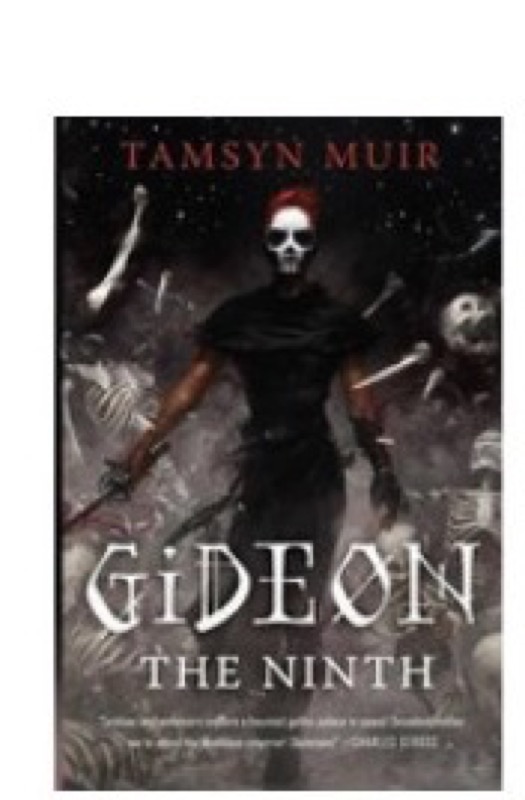
Gideon the Ninth
Hook & thesis
Tamsyn Muir’s Gideon the Ninth invigorates the fantasy-romance genre with an audacious blend of necromancy, rivalry, and a captivatingly complex protagonist. Verdict: This book is a daring exploration of desire and identity, wrapped in a gothic veneer that sparkles with dark humor and sharp intrigue.
The contextual pivot
Muir’s work occupies a unique niche within the fantasy landscape, drawing comparisons to the likes of N.K. Jemisin and Tasha Suri, yet retaining a distinctive voice that melds humor with horror. It effectively bridges the gap between niche fantasy elements—like necromancy and dueling houses—and broader themes of love and loyalty, appealing to both genre aficionados and newcomers. The invisible audience here seems to be those who crave intricate world-building alongside character-driven narratives, deftly allowing Muir to weave tropes that resonate universally while still catering to specific fantasies of empowerment and romantic tension.
Deep-dive critique
The structure of Gideon the Ninth plays a pivotal role in its thematic success; the first-person perspective keeps the reader intimately connected to Gideon’s internal struggles, while the non-linear timeline heightens the stakes and tension throughout the narrative. Muir’s prose oscillates between witty banter and poignant reflection, showcasing her deftness in balancing levity with gravity—an essential skill for a story steeped in death and resurrection.
Characterization is where Muir truly excels. Gideon is an unapologetic, multifaceted heroine, challenging traditional notions of femininity and strength. The relationships she forges—especially the tension-filled dynamic with Harrow—are layered with emotional intensity, allowing for exploration of themes like trauma, loyalty, and the complexities of love. Dialogue crackles with sharpness, making every interaction feel charged and consequential. However, the pacing can occasionally falter, particularly in the second half where world-building details risk overshadowing character arcs, leading to moments that feel overloaded rather than enriching.
The ending, while ambitious, may polarize readers; it evokes a sense of closure while simultaneously leaving threads tantalizingly unresolved. This duality invites reflection on the very nature of desire—both as a driving force and a source of conflict—suggesting that resolution is not always synonymous with satisfaction.
Discussion launchpad
Muir’s work is bound to spark diverse opinions, particularly around its blend of humor and gothic elements, as well as its unique take on romantic tension amidst the backdrop of necromancy.
Questions for the room:
- How does Gideon’s character challenge or reinforce the archetype of the strong female lead?
- In what ways does the humor enhance or detract from the darker themes presented in the narrative?
- Do you feel the ending resolves key character arcs, or does it leave too many questions unanswered?
- How effectively does Muir balance the elements of fantasy and romance, and what implications does that balance have for reader expectations?
- What biases might we bring to our interpretations of desire and power dynamics in the relationships depicted?
#TheOrchidRoom #gideon #fantasyromance #darkromance #literaryanalysis