
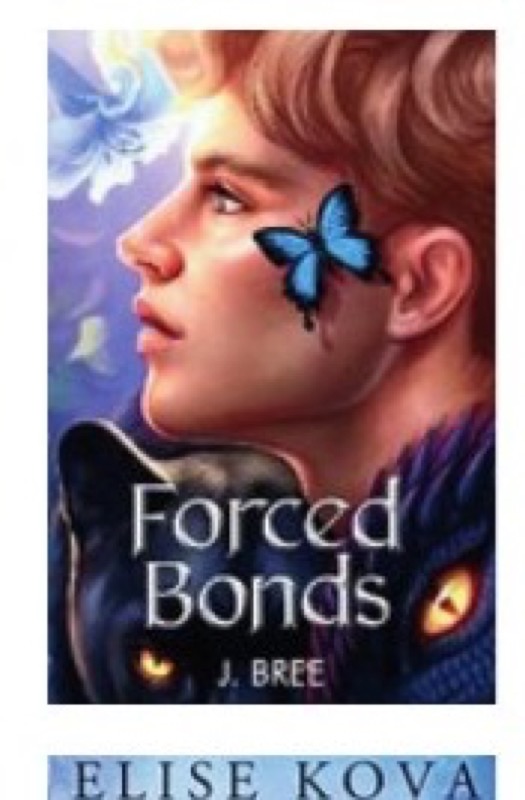
Forced Bonds
Hook & thesis
J. Bree’s Forced Bonds deftly intertwines themes of yearning and coercion, exploring the complexities of desire within the framework of a reverse-harem narrative. Verdict: This exploration of emotional connection amidst the constraints of forced intimacy not only captivates but also unsettles, leaving readers questioning the nature of consent and true affection.
The contextual pivot
Nestled within the reverse-harem genre, Forced Bonds navigates the darker alleys of romance, inviting readers into a world where love and power dynamics clash. Bree’s work stands alongside authors like Anna Zaires and K. A. Tucker, who similarly delve into the intricacies of obsession and emotional manipulation. Yet, Bree takes a step further, crafting a narrative that appeals to both niche audiences and mainstream readers, bridging the gap between escapist fantasy and thoughtful critique of relationships. The book’s provocative themes and high emotional stakes resonate with those familiar with the genre while challenging general readers to confront their own perceptions of love.
Deep-dive critique
The structure of Forced Bonds unfolds with a deliberate pacing that mirrors the protagonist’s tumultuous emotional journey. Bree employs a first-person point of view, allowing readers to experience the protagonist’s inner turmoil and conflicting desires intimately. This choice enhances the narrative’s tension, as readers are privy to both the allure of the harem and the oppressive weight of forced intimacy. The prose is lush yet sharp, employing vivid imagery that evokes visceral feelings of both longing and dread. For instance, the descriptions of the protagonist’s encounters with each character are laden with a palpable tension that goes beyond physical attraction, hinting at deeper psychological struggles.
However, while the emotional resonance is strong, moments of dialogue occasionally falter, veering towards melodrama that at times detracts from the overall impact. This is particularly evident in confrontational scenes, where the intensity feels more scripted than organic. Moreover, the resolution—though filled with hope—risks undermining the depth of the preceding conflict, leaving readers to question whether the character’s journey towards agency is fully earned. The thematic exploration of choice versus obligation is potent, but the conclusion’s neatness may leave some craving a more complex denouement that reflects the chaotic nature of human relationships.
Discussion launchpad
Forced Bonds polarizes with its exploration of desire interlaced with coercion, prompting essential questions about the nature of love and autonomy in relationships. The tension between passion and manipulation invites a lively debate on what constitutes healthy dynamics in romantic narratives.
Questions for the room:
- How do we reconcile the allure of forced intimacy with ethical implications in romantic literature?
- In what ways does Bree challenge or conform to traditional romance tropes in her portrayal of relationships?
- Does the ending provide a satisfying resolution for the protagonist’s struggle, or does it shy away from a deeper confrontation of her choices?
- How does the use of first-person perspective impact your empathy for the protagonist?
- What elements of the reverse-harem trope resonate with you, and how do they shape your reading experience?
#TheOrchidRoom #reverseharem #darkromance #forced #literaryanalysis