
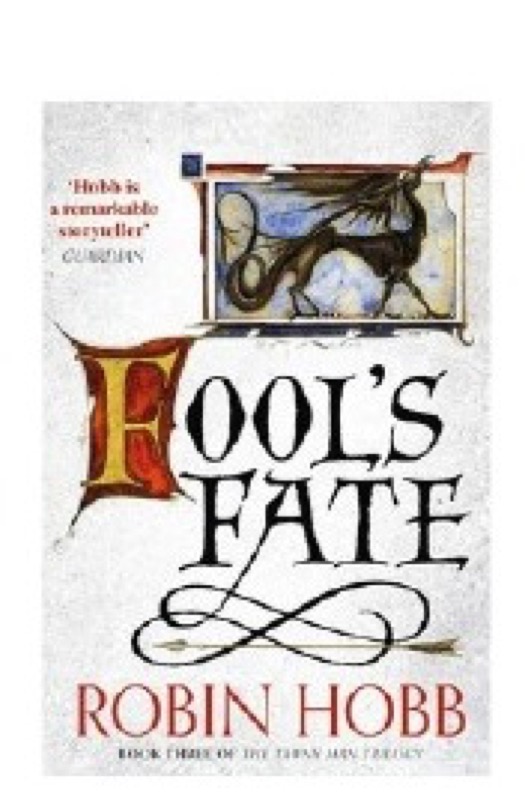
Fool's Fate
Book Three of the Tawny Man Trilogy
Hook & thesis
In Fool’s Fate, Robin Hobb deftly intertwines the fates of her characters with the weight of destiny, exploring the intricate dance between free will and predestination. Verdict: This novel is a haunting exploration of sacrifice and loyalty that transcends its genre, leaving readers both enchanted and unsettled.
The contextual pivot
As the third installment in the Tawny Man Trilogy, Fool’s Fate firmly entrenches itself in the fantasy-romance genre, marked by Hobb’s signature blend of deep emotional landscapes and political intrigue. Unlike many works that rely on sweeping epic battles and fantastical beings, Hobb’s narrative leans heavily on character development and existential dilemmas, positioning this novel as a bridge between niche fantasy tropes and broader literary themes. Her writing invites both devoted readers of fantasy and those drawn to more profound human experiences, making the book resonate well beyond typical genre boundaries.
Deep-dive critique
Hobb’s craftsmanship shines particularly through her intricate pacing and deep character introspection. The structure is nonlinear, with a mix of present and reflective narratives that serve to heighten the emotional stakes and accentuate the themes of inevitability and choice. By employing a close third-person viewpoint, Hobb allows readers to inhabit the minds of her characters, particularly Fitz, whose internal struggles are both relatable and tragic.
The dialogue is imbued with subtext; every exchange is laced with unspoken desires and fears, which creates a palpable tension that propels the narrative forward. However, the emotional intensity of the book can sometimes feel overwhelming, bordering on excessive, which may alienate readers who prefer a more balanced approach to character angst.
The world-building, while rich and immersive, occasionally succumbs to a slower pace that could frustrate those expecting more immediate action. Nevertheless, Hobb masterfully weaves the setting into the characters’ arcs, allowing the environment to reflect their internal conflicts. The ending, while bittersweet, is undeniably earned, resonating with the themes of sacrifice and the complexity of love, leaving the reader to ponder the true cost of loyalty.
Discussion launchpad
Fool’s Fate invites a multitude of discussions around its thematic depth and character journeys. Hobb’s portrayal of love and sacrifice ignites debates about the nature of destiny and agency.
Questions for the room:
- How do Hobb’s themes of sacrifice resonate with contemporary societal issues?
- In what ways does the novel challenge traditional fantasy tropes?
- Do you feel that the emotional intensity enhances or detracts from the overall narrative?
- How does Hobb’s use of perspective shape your understanding of the characters’ motivations?
- What role does the setting play in influencing character decisions and the narrative’s emotional weight?
#TheOrchidRoom #fantasyromance #romantasy #darkromance #foolsfate #literaryanalysis #darkheartlabs