
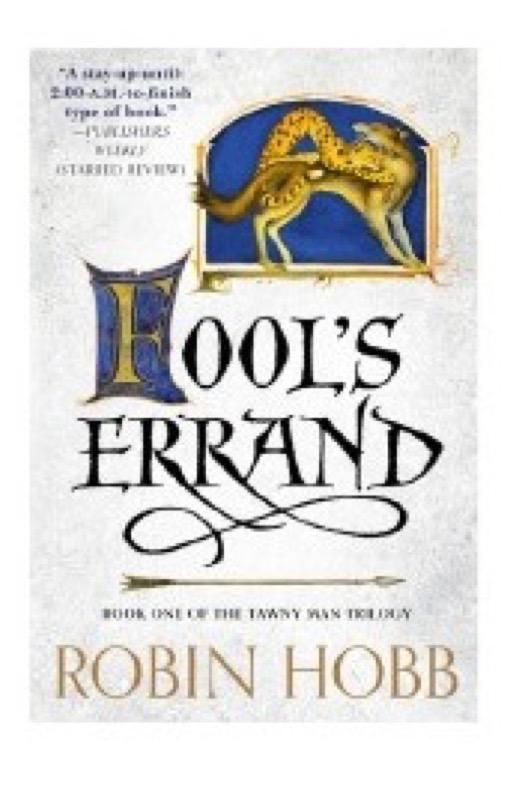
Fool's Errand
Book One of the Tawny Man Trilogy
Hook & thesis
In Robin Hobb’s Fool’s Errand, the intricate tapestry of loyalty and betrayal unfolds, revealing the depths of human desire and the burdens of destiny. Verdict: Hobb masterfully navigates the intersection of fantasy and romance, crafting a narrative that resonates with the ache of longing and the complexity of human connections.
The contextual pivot
Set within the expansive world of the Tawny Man Trilogy, Fool’s Errand bridges the realms of epic fantasy and emotional exploration, aligning itself with the works of authors like Patrick Rothfuss and N.K. Jemisin, who similarly delve into character-driven narratives rich with emotional stakes. Hobb’s oeuvre consistently echoes themes of sacrifice and the intricacies of relationships, appealing to a niche audience drawn to character development over mere plot mechanics, while also inviting general readers into a world where the stakes are as much about the heart as they are about the sword.
Deep-dive critique
The structural pacing of Fool’s Errand is deliberate, allowing readers to immerse themselves in the protagonist Fitz’s inner turmoil and evolving relationships. Hobb employs a first-person point of view that creates an intimate connection, inviting the audience to experience Fitz’s emotional struggles directly. This narrative choice enhances the thematic exploration of loyalty—both to one’s friends and to oneself—while the timeline’s slow build-up serves to heighten the tension surrounding impending conflict.
Hobb’s prose is rich yet accessible, intertwining lyrical descriptions with the rawness of human emotion. For instance, the world-building is meticulously crafted, from the political machinations of the Six Duchies to the sensory details of each setting, grounding the fantastical elements in relatable human experiences. Dialogue sparkles with authenticity, capturing the complexities of relationships, particularly the simmering tension between Fitz and his beloved, as well as his complicated ties to the enigmatic Fool.
However, the pacing may frustrate some readers accustomed to quicker resolutions. The emotional intensity, while rewarding, often lingers in the space of introspection, which can feel drawn out. Nonetheless, the ending feels earned, as it solidifies the characters’ journeys, leaving readers yearning for more while reflecting on the implications of their choices.
Discussion launchpad
Hobb’s exploration of the human heart presents a fertile ground for debate, particularly surrounding the balance between plot and character development.
Questions for the room:
- How does Hobb’s focus on emotional complexity redefine the expectations of the fantasy genre?
- In what ways do Fitz’s loyalties shape his identity, and can we sympathize with his decisions?
- Does the slow pacing enhance or detract from the story’s impact?
- How does the dynamic between Fitz and the Fool challenge traditional notions of romance?
- What unresolved tensions linger at the end, and how do they reflect broader themes of the trilogy?
#TheOrchidRoom #fool’s #fantasyromance #darkromance #literaryanalysis