
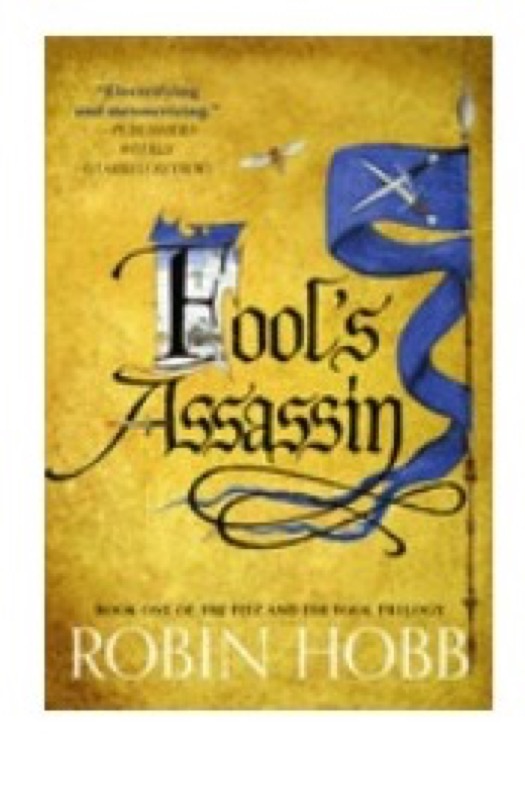
Fool's Assassin
Book One of the Fitz and the Fool Trilogy
Hook & thesis
In Fool’s Assassin, Robin Hobb artfully intertwines the threads of love and betrayal within the sprawling tapestry of her fantasy realm. At its heart, the novel navigates the tumultuous waters of identity and the profound connection between fate and choice. Verdict: Hobb’s masterful prose and intricate characterizations create a haunting exploration of the human condition, cementing this work as a quintessential entry in the genre.
The contextual pivot
Hobb’s work sits comfortably within the realm of fantasy-romance, yet it transcends the often tropic-laden narratives of the genre. Known for her depth of character and emotional resonance, Hobb invites readers into a world where magic serves not merely as a plot device but as a reflection of human emotion. Compared to authors like Patrick Rothfuss and N.K. Jemisin, who similarly blend character-driven narratives with expansive world-building, Hobb’s focus on the inner lives of her characters elevates the stakes. The invisible audience here includes both fantasy aficionados and those seeking profound emotional journeys, as Hobb deftly bridges niche elements with broader appeal.
Deep-dive critique
The structure of Fool’s Assassin is notable for its slow, deliberate pacing, which mirrors the weight of its central themes. Hobb employs a first-person point of view that allows an intimate glimpse into Fitz’s psyche, revealing layers of vulnerability and strength. This choice amplifies the emotional intensity, as readers grapple with Fitz’s internal struggles while the external world unfolds in a complex web of political intrigue and personal sacrifice.
Craft-wise, Hobb excels in her prose, which is both lush and precise, creating an immersive atmosphere that resonates with the reader’s emotions. The dialogue is rich with subtext, often laden with unspoken desires and fears, enhancing the tension between characters. For instance, the strained exchanges between Fitz and the Fool encapsulate a lifetime of shared history and unacknowledged longing, leaving readers yearning for resolution amidst the chaos.
However, some may find fault in the pacing, as the narrative occasionally lingers too long on introspection at the expense of plot progression. This slow burn can feel indulgent, testing the patience of those accustomed to more action-driven fantasy. Yet, in Hobb’s case, this choice underscores the thematic exploration of time and its impact on relationships, ultimately rendering the ending both poignant and earned.
Discussion launchpad
Hobb’s work is rife with elements that may stir debate among readers, particularly surrounding the complexities of love and loyalty. The layers of betrayal and the nuanced portrayal of emotional bonds provoke critical examination of the characters’ motivations and ethical dilemmas.
Questions for the room:
- How does the slow pacing impact your engagement with the characters and plot?
- In what ways do you think Hobb’s portrayal of relationships challenges or conforms to traditional fantasy tropes?
- Can the emotional weight of Fitz’s choices be justified given the events of the narrative?
- How does the use of first-person POV shape your understanding of Fitz compared to secondary characters?
- What role does the setting play in amplifying the story’s themes of identity and fate?
#TheOrchidRoom #fantasyromance #romantasy #darkromance #fool’s #assassin