
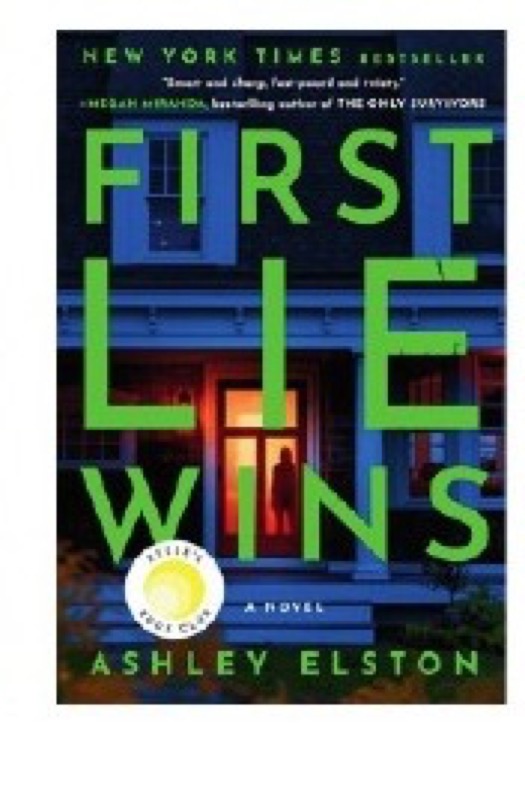
First Lie Wins
A Novel
Hook & thesis
In Ashley Elston’s First Lie Wins, the narrative plunges into the murky waters of identity and deception, revealing how fragile the threads of truth can be in a high-stakes game of manipulation. Verdict: The book masterfully intertwines suspense and psychological depth, though it occasionally falters under the weight of its own ambitions.
The contextual pivot
As a dark thriller, First Lie Wins occupies a niche that harks back to the psychological complexities seen in works by authors like Gillian Flynn and Tana French, yet it also carves its own space with a pronounced focus on the intricacies of identity. Elston’s exploration of trust and betrayal speaks to a broader audience while maintaining enough genre-specific tension to satisfy devoted thriller enthusiasts. The invisible audience here is the reader seeking not just thrills but also a deeper exploration of the human psyche, a bridge that Elston navigates with a mix of traditional thriller tropes and nuanced character development.
Deep-dive critique
Elston’s craftsmanship shines in her pacing, which deftly maintains tension through a carefully structured timeline that oscillates between past and present. The choice of third-person limited POV effectively heightens the sense of intrigue, allowing readers to delve into the protagonist’s psyche while withholding vital information, thereby mirroring the theme of deception. However, this structure sometimes leads to moments of confusion, particularly in character motivations that feel rushed or underexplored, leaving the reader craving more depth in the supporting cast.
The prose itself is engaging, with a sharp edge that matches the narrative’s dark tone; however, occasional lapses into clichéd dialogue undermine the otherwise strong character arcs. Notably, the thematic exploration of identity is both compelling and convoluted, raising questions about the nature of self-preservation versus moral integrity. The climactic resolution, while thrilling, leaves some threads dangling, inviting scrutiny over whether the ending is truly earned or rather a convenient escape.
Discussion launchpad
Elston’s work sparks intriguing polarities regarding the balance between thriller conventions and deeper philosophical inquiries. While the book presents a gripping narrative, it also raises questions about the nature of truth and identity that could polarize readers.
Questions for the room:
- How effectively does Elston balance suspense with character development?
- Does the resolution feel satisfying, or does it fall into the trap of genre clichés?
- In what ways does the exploration of identity challenge or reinforce typical thriller tropes?
- Are the characters relatable enough to elicit empathy, despite their morally ambiguous actions?
- How does the backdrop of deception influence our understanding of the protagonist’s journey?
#LiteraryAnalysis #darkthriller #romanticsuspense #identity #catandmouse