
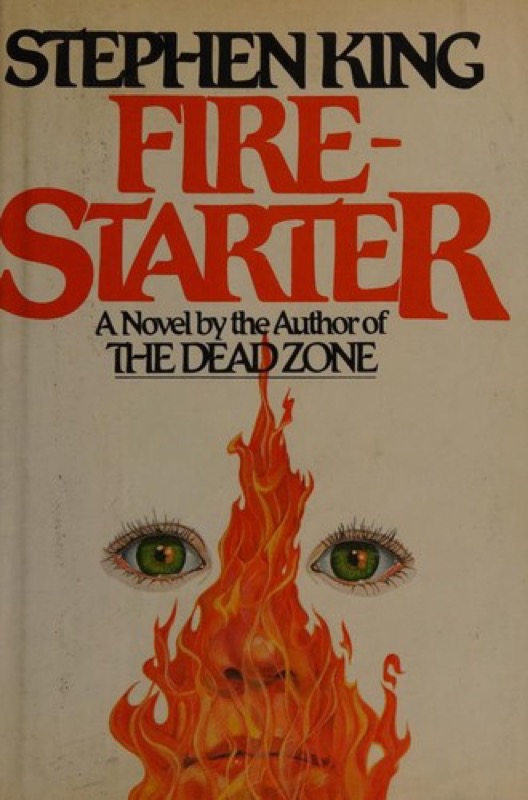
Firestarter
Hook & thesis
Stephen King’s Firestarter explores the harrowing dynamics between parental protection and the destructive potential of psychic abilities. The book’s true engine lies in the struggle of a father trying to protect his daughter from a government that seeks to exploit her powers. Verdict: King crafts a compelling narrative that balances suspense with a poignant exploration of familial love amidst chaos.
The contextual pivot
As a dark thriller, Firestarter sits comfortably within King’s oeuvre while simultaneously venturing into the realm of speculative fiction. With its intricate portrayal of psychic phenomena and government conspiracies, the book echoes themes from contemporaries like Richard Matheson’s Hell House and films such as The Fury. King’s work often treads the line between horror and human emotion, and here, it bridges niche tropes of the supernatural with broader themes of parental sacrifice, making it accessible for both genre enthusiasts and general readers.
Deep-dive critique
King’s structure plays a pivotal role in amplifying the tension throughout Firestarter. The dual perspective of Andy and Charlie McGee allows readers to intimately grasp their fears and motivations. This choice of point-of-view crafts a rich emotional landscape that underscores the stakes of their journey. The pacing, particularly in the climactic sequences, is expertly managed, blending slow-burn suspense with frenetic bursts of action that are punctuated by King’s characteristic vivid descriptions. However, the dialogue occasionally slips into exposition-heavy territory, slowing the narrative momentum.
The thematic exploration of power dynamics — be it psychic, governmental, or paternal — is both relevant and haunting. King invokes a visceral sense of empathy, particularly as we witness Charlie’s struggles with her abilities and the ethical dilemmas posed by her father’s attempts to shield her. Yet, despite its strengths, the ending feels somewhat rushed, leaving questions about the implications of such power unanswered, as if King is more invested in the thrill than the resolution.
Discussion launchpad
The juxtaposition of parental love against the backdrop of exploitation presents rich ground for debate. How do we reconcile the desire to protect with the potential for harm that comes with power?
- Questions for the room:
- Is Charlie depicted as a victim or a powerful agent of her own fate?
- How does King’s treatment of violence affect our perception of the characters?
- In what ways does the government’s role serve as a critique of real-world authority?
- How does the theme of sacrifice resonate with contemporary issues of parental responsibility?
- What unresolved questions linger about the nature of power and its consequences?
#LiteraryAnalysis #darkthriller #psychicpowers #governmentconspiracy #theorchidroom