
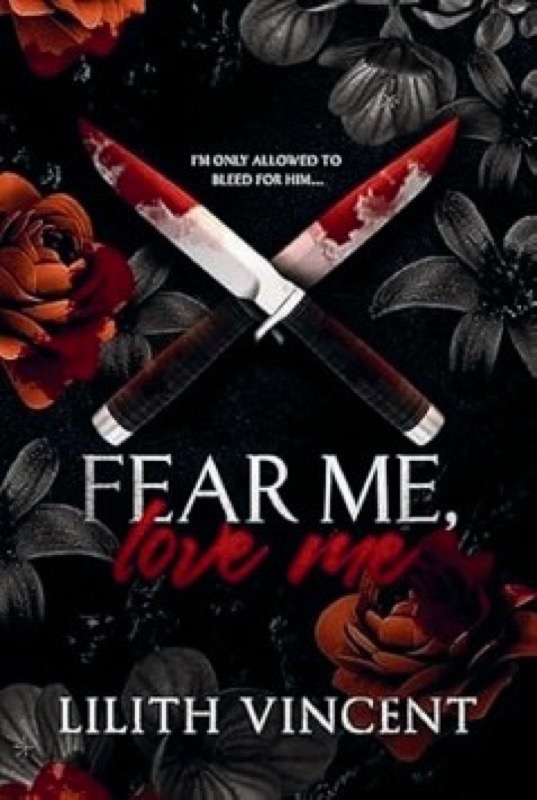
Fear Me, love me
I'm only allowed to bleed for him...
Hook & thesis
In Fear Me, Love Me, Lilith Vincent plunges readers into a dark abyss where love intertwines with fear, echoing the complexity of human desire under coercive circumstances. Verdict: This book masterfully explores the unsettling dynamics of captor and captive, raising profound questions about agency and obsession, while invoking the reader’s most primal fears and desires.
The contextual pivot
Vincent’s work sits firmly within the captor-and-captive subgenre of dark romance, a space often populated by authors like Anna Zaires and K. Webster, who similarly navigate the murky waters of desire and manipulation. However, Fear Me, Love Me challenges genre norms by delving deeper into psychological horror, creating a tapestry where the stakes of passion are painted in blood and betrayal. The invisible audience includes those who revel in psychological depth and exploring the darker facets of love, yet Vincent bridges niche tropes to a broader readership by embedding themes of obsession and survival within an accessible narrative arc.
Deep-dive critique
The novel’s structure plays a critical role in amplifying its thematic resonance. By employing a close third-person perspective, Vincent allows readers to inhabit the psyche of the captive, which intensifies the emotional stakes and reinforces the claustrophobic atmosphere of captivity. The pacing is deliberately slow, reminiscent of a tightening noose; this choice serves to heighten tension, drawing readers into the complexity of the protagonist’s internal conflict between desire and fear.
Vincent’s prose is evocative, often using visceral imagery that underscores the characters’ turbulent emotions. For example, descriptions of blood serve not only as a literal element of danger but also symbolize the sacrifice and pain intertwined with love. Dialogue reveals character dynamics effectively, oscillating between threats and tender confessions, which further complicates the reader’s perceptions of morality within the narrative. However, some mechanical flaws emerge in the latter sections, where the plot veers towards predictability, potentially undermining the previously established tension. The ending, while provocative, feels somewhat rushed and may leave readers craving a more nuanced resolution to the emotional chaos that has unfolded.
Discussion launchpad
Vincent’s exploration of love as a weapon raises polarizing questions about consent and moral ambiguity in relationships. As readers navigate the extremes of obsession and captivity, the blurred lines between love and possession fuel debate.
Questions for the room:
- Does the portrayal of love in this novel romanticize toxic relationships, or does it serve as a cautionary tale?
- How does the depiction of psychological abuse shape our understanding of the characters’ motivations?
- Is the ending satisfying given the buildup of tension, or does it feel like a betrayal of the themes presented?
- How does the use of gore and physical danger enhance or detract from the romantic narrative?
- In what ways does this text challenge or conform to traditional gender roles within dark romance?
#TheOrchidRoom #FearMeLoveMe #darkromance #gothic #psychological