
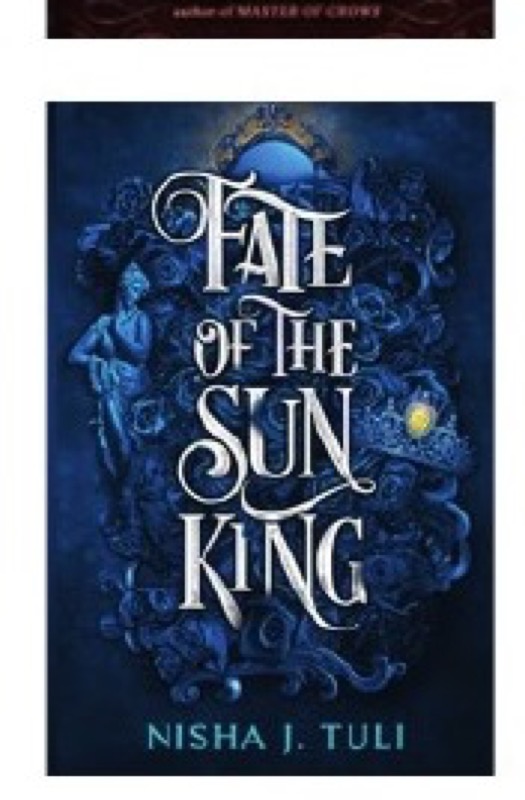
Fate of the Sun King
Hook & thesis
In Fate of the Sun King, Nisha J. Tuli conjures an intoxicating brew of power, desire, and the shadows of destiny, where the allure of the sun is fraught with peril and passion. Verdict: Tuli masterfully intertwines romance with the darker threads of fate, crafting a narrative that seduces with its complexity and ultimately reveals the profound cost of desire.
The contextual pivot
Positioned within the fantasy-romance genre, Tuli’s work dances on the edge of the darker aspects often explored by authors like Sarah J. Maas and Laura Thalassa. While it embraces familiar tropes of enchanted realms and star-crossed love, it also ventures into the territory of moral ambiguity and existential stakes that challenge conventional romantic narratives. Tuli deftly bridges niche themes of destiny and sacrifice, appealing not only to dedicated fans of the romantasy subgenre but also to a broader audience seeking depth and intrigue in their escapism.
Deep-dive critique
The structure of Fate of the Sun King unfurls like a double helix, intertwining timelines that reflect the dual nature of its characters’ desires — both illuminating and consuming. Tuli’s use of a third-person limited perspective allows for intimate glimpses into the protagonists’ inner turmoil, effectively balancing the tension between their public personas and private fears. The pacing ebbs and flows, mirroring the rhythm of a sun-dappled day that gives way to a starless night, creating an atmosphere thick with anticipation and dread.
Characterization shines particularly brightly; the protagonists are layered and flawed, embodying the complexity of their desires and the weight of their choices. Dialogue is sharp and often laden with subtext, allowing for moments that crackle with unspoken tension. However, while the thematic explorations of violence and power are compelling, certain narrative choices risk oversimplifying the emotional landscape, particularly in the climactic moments where the weight of their struggles sometimes feels overshadowed by plot mechanics. The ending, though impactful, leaves one yearning for a deeper exploration of its consequences, as the characters emerge from trials but carry scars that warrant further contemplation.
Discussion launchpad
Tuli’s melding of light and dark creates a fertile ground for debate, particularly regarding the nature of desire and the choices made in the name of love versus duty.
Questions for the room:
- How do the themes of fate and personal agency resonate within the romantic arc?
- In what ways do the darker elements serve to enhance or detract from the romance?
- Does the ending deliver an earned resolution, or does it feel like a setup for future conflicts?
- How do the characters’ moral complexities influence your reading of their choices?
- What role does the setting play in shaping the emotional stakes of the narrative?
#TheOrchidRoom #fantasyromance #darkromance #literaryanalysis #FateOfTheSunKing