
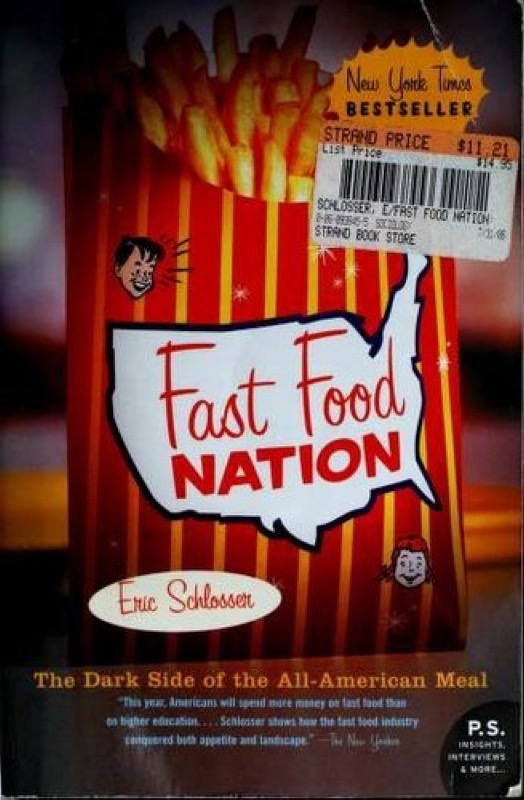
Fast Food Nation: The Dark Side of the All-American Meal
Hook & thesis
In Fast Food Nation: The Dark Side of the All-American Meal, Eric Schlosser unveils the insidious underbelly of the fast food industry, revealing how deeply intertwined it is with issues of health, labor, and corporate ethics. Verdict: This investigative work serves as a wake-up call, compelling readers to confront uncomfortable truths about their consumption choices.
The contextual pivot
Positioned at the intersection of nonfiction and social critique, Fast Food Nation stands out in the genre of investigative journalism, akin to Upton Sinclair’s The Jungle. Schlosser’s relentless pursuit of the truth about the American food system not only highlights the exploitation within it but also addresses broader socioeconomic issues that resonate widely. The audience, while likely consisting of those already concerned with food politics, is effectively drawn into the narrative through accessible prose and compelling storytelling, bridging the gap between niche discourse and general readers.
Deep-dive critique
Schlosser’s structure is meticulous, weaving personal anecdotes, interviews, and data into a coherent narrative that maintains pacing while examining various facets of the fast food industry. The use of a chronological timeline allows readers to trace the evolution of the industry and its impact on society, though at times, the sheer breadth of topics can feel overwhelming, risking reader engagement.
The prose is sharp and vivid, employing graphic descriptions that immerse the reader in the realities of factory farming and corporate practices. For instance, Schlosser’s depiction of meatpacking plants serves not merely as a horror story but as a poignant reminder of the human cost behind cheap food. Characterization, particularly of whistleblowers and industry insiders, adds depth to the narrative, though some voices risk being overshadowed by the weight of data presented, occasionally diluting their personal stakes.
The thematic exploration of corporate greed and its ramifications for society is unflinching, though the ending, while impactful, leaves certain questions unanswered about the future of the food industry and our role within it. This lack of resolution may frustrate some readers who seek a more definitive call to action.
Discussion launchpad
Schlosser’s work provokes a range of polarizing discussions, notably about consumer responsibility versus corporate accountability. The stark realities presented may polarize readers who grapple with their own dining choices in light of ethical considerations.
Questions for the room:
- How does Schlosser’s approach to storytelling affect your perception of the fast food industry?
- In what ways does this book challenge the notion of American exceptionalism through its examination of food culture?
- Does the book’s ending empower the reader, or does it leave them feeling helpless?
- How successful is Schlosser in balancing personal narratives with broader socioeconomic critique?
- What responsibilities do you believe consumers have in light of the information presented in this book?
#LiteraryAnalysis #darkthriller #socioeconomicissues #foodindustry #theorchidroom