
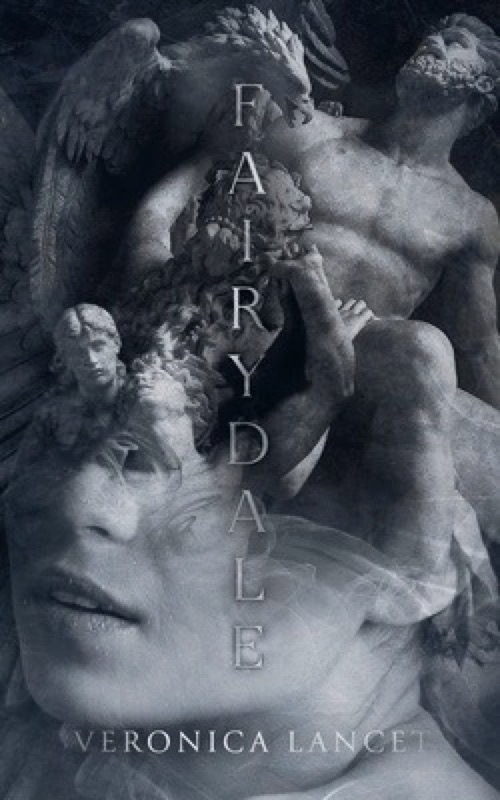
Fairydale
Hook & thesis
In Fairydale, Veronica Lancet weaves a tapestry of desire and obsession, exploring the thin line between love and madness within a richly imagined supernatural realm. Verdict: This novel masterfully transcends its genre to illuminate the darker recesses of the human heart, making it a haunting yet essential read for those willing to navigate its shadowy depths.
The contextual pivot
Fairydale occupies a unique niche within the vampire-paranormal genre, reminiscent of Anne Rice’s lush prose and the Gothic undertones found in early Poppy Z. Brite works, yet it carves its own identity through the lens of mythological intricacy. Lancet’s narrative dances between the visceral and the ethereal, appealing to both die-hard fans of dark romance and those who might typically shy away from the genre’s more explicit elements. The invisible audience here comprises readers craving a blend of psychological intensity and romantic entanglement — a bridge between niche tropes and mainstream appeal.
Deep-dive critique
Lancet’s structuring of Fairydale employs a dual timeline that juxtaposes past and present, deftly unraveling the characters’ motivations while maintaining a palpable tension throughout. The choice of a close third-person perspective allows readers intimate access to the protagonists’ turbulent emotions, especially in moments of obsession, where the prose becomes almost lyrical in its intensity. For example, the depiction of the protagonist’s yearning is masterfully crafted, drawing readers into her fractured psyche.
However, while the prose often sings, there are moments where the dialogue falters, feeling stilted against the otherwise fluid narrative. Certain exchanges risk undermining the emotional stakes established through the compelling world-building; the characters sometimes seem to articulate their feelings more than genuinely experience them. The thematic exploration of mythology is a compelling thread, yet it occasionally becomes overloaded, veering into exposition at the expense of character depth. That said, the ending is both earned and unsettling, leaving readers with lingering questions about the boundaries of love and obsession.
Discussion launchpad
In Fairydale, the complexities of desire and the nature of obsession raise polarizing questions about the morality of love when intertwined with the supernatural. The psychological intensity may draw some readers in while alienating others who prefer lighter narratives.
Questions for the room:
- How do you interpret the role of mythology in shaping the characters’ desires?
- Is the portrayal of obsession romantic or cautionary?
- What do you think of the dual timeline structure — does it enhance or detract from the narrative’s emotional impact?
- How does Lancet balance the line between explicit themes and literary craft?
- In what ways does the ending challenge typical genre conventions?
#TheOrchidRoom #vampire #darkromance #gothic #literaryanalysis