
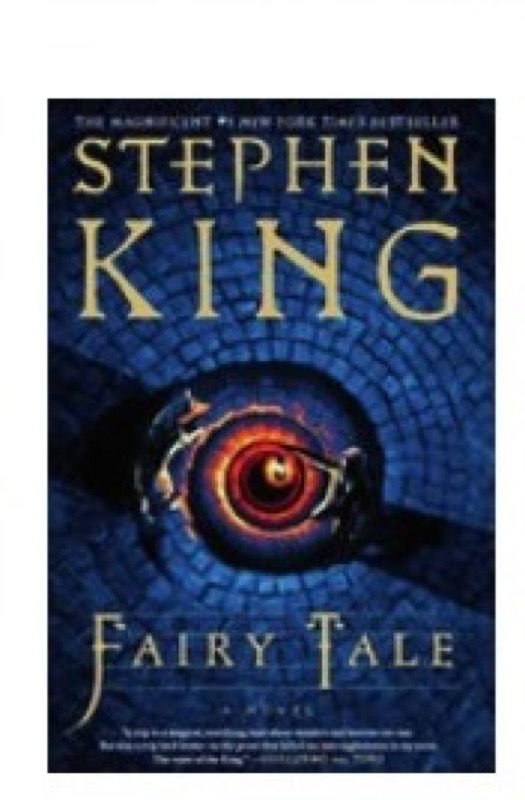
Fairy Tale
A Novel
Hook & thesis
In Stephen King’s Fairy Tale, the author masterfully intertwines the echoes of classic fairy tales with the relentless grip of horror, delivering a resonant exploration of sacrifice and the darkness that lurks beneath the surface of our desires. Verdict: King’s unique blend of gothic horror and romance crafts a haunting narrative that lingers long after the final page, revealing the true cost of our deepest wishes.
The contextual pivot
Positioned within the rich tapestry of gothic-horror romances, Fairy Tale revisits familiar tropes of the genre while pushing boundaries that many contemporary authors shy away from. King, a titan of horror, invites not just his loyal following but also a broader audience to consider the delicate interplay of light and dark, desire and dread. His ability to bridge the niche appeal of horror and fantasy makes this text a noteworthy contribution, aligning with the likes of Neil Gaiman and Susanna Clarke, who also weave intricate narratives where the fantastical and the macabre collide.
Deep-dive critique
Fairy Tale employs a rich, layered structure that draws readers into its multifaceted world. The pacing ebbs and flows artfully, mirroring the protagonist’s emotional journey, which oscillates between hope and despair. King’s use of a first-person narrative pulls readers deeper into the psyche of the protagonist, making their fears and desires palpable. This profound intimacy is further enhanced by King’s prose, which juxtaposes lyrical descriptions with stark, often violent imagery, encapsulating the tension between beauty and horror.
The thematic exploration of sacrifice resonates powerfully throughout the text. King’s portrayal of the consequences of desire is not merely a rhetorical exercise but a visceral experience that challenges readers to consider what they would risk for their own fairy tales. The world-building is meticulously crafted; the enchanted realm feels both alien and achingly familiar, echoing the duality of human experience—where dreams can morph into nightmares. However, the novel does stumble in pacing during certain segments, where lengthy introspections may deter some readers from the central conflict, momentarily dampening the urgency of the narrative. The ending, while ambitious, raises questions about its resolution, leaving some threads tantalizingly unresolved, which may frustrate those seeking closure.
Discussion launchpad
King’s ability to blend genres raises polarities that could ignite passionate discussions within the group. Some may embrace the ambiguity and complexity of the ending, while others might find it a flaw.
Questions for the room:
- How does King’s narrative style compare to other authors in the gothic horror romance genre?
- What does the portrayal of monsters reveal about human nature in the context of desire?
- In what ways can the sacrifices made by characters be seen as reflections of real-life choices?
- Does the complexity of the ending enhance or detract from the overall experience of the novel?
- How does the blending of horror and romance affect the emotional stakes of the story?
#TheOrchidRoom #gothic #horrorromance #darkfantasy #literaryanalysis #darkheartlabs