
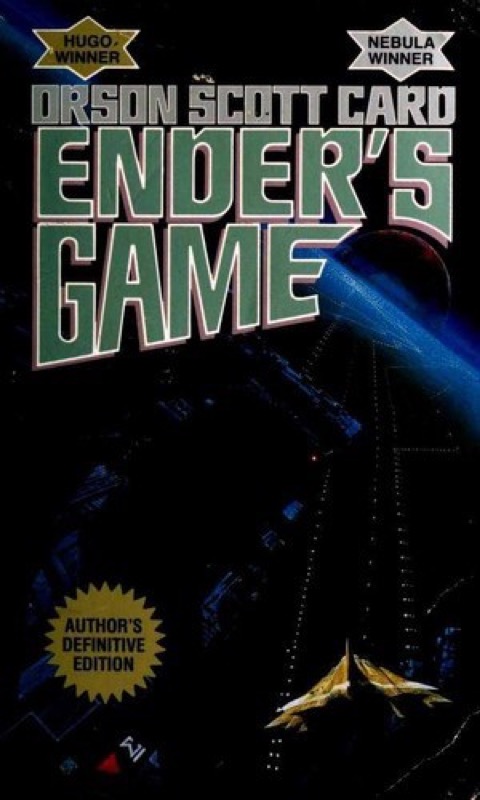
Ender’s Game (Ender's Saga, #1)
Ender's Saga
Hook & thesis
Orson Scott Card’s Ender’s Game presents a gripping exploration of the moral complexities of leadership and the burdens of genius. Verdict: This novel adeptly navigates the treacherous terrain of childhood, warfare, and the ethical implications of preemptive violence, ultimately revealing that empathy, even amidst manipulation, is the true power of humanity.
The contextual pivot
As a cornerstone of the science fiction genre, Ender’s Game blends military strategy with a coming-of-age narrative that resonates deeply with its audience. Set against the backdrop of a dystopian future where Earth prepares for an alien threat, this novel engages with themes of isolation, manipulation, and moral ambiguity. Card’s work sits alongside that of contemporaries like Isaac Asimov and Philip K. Dick, yet it uniquely bridges niche tropes of military science fiction to engage a broader readership. The invisible audience consists of young adults grappling with themes of identity and responsibility, making it a pivotal text for those navigating the complexities of growing up amid societal expectations.
Deep-dive critique
Card’s structural choices, particularly his use of a third-person limited perspective centered on Ender Wiggin, serve to heighten both the emotional tension and the thematic depth of the narrative. The pacing is meticulously crafted, allowing readers to feel Ender’s escalating isolation and pressure as he navigates the Battle School. For instance, the training sequences are interspersed with moments of psychological insight, revealing the toll of constant competition on a child genius grappling with his place in a militaristic society.
The dialogue is sharp and purposeful, effectively conveying the manipulation at play among the adults in Ender’s life. This is particularly evident in conversations with Colonel Graff, whose dual role as mentor and manipulator raises unsettling questions about authority and sacrifice. However, some may argue that the character development of secondary characters is lacking, which could leave readers craving deeper connections beyond Ender’s singular journey.
The novel’s climax, where Ender unknowingly annihilates an entire alien species, evokes a powerful emotional response and raises profound ethical questions about the nature of victory and loss. While some readers may find this ending jarring, it is ultimately earned through the cumulative experiences Ender faces, underscoring the complexity of his moral landscape.
Discussion launchpad
Ender’s Game presents polarizing themes that can ignite lively debate regarding morality in warfare and the ethics of leadership. The tension between survival and compassion remains a core discussion point that can split opinions.
Questions for the room:
- Is Ender a hero or a tragic figure, and what does that say about our own perceptions of leadership?
- How does Card’s portrayal of childhood in a military context reflect or challenge contemporary societal norms?
- What role does empathy play in the development of Ender’s character, and can it coexist with manipulation?
- How does the narrative’s structure influence our understanding of moral dilemmas presented in the text?
- Is the ending satisfying in its ethical implications, or does it leave too many questions unanswered?
#LiteraryAnalysis #darkthriller #sciencefiction #military #comingofage #theorchidroom