
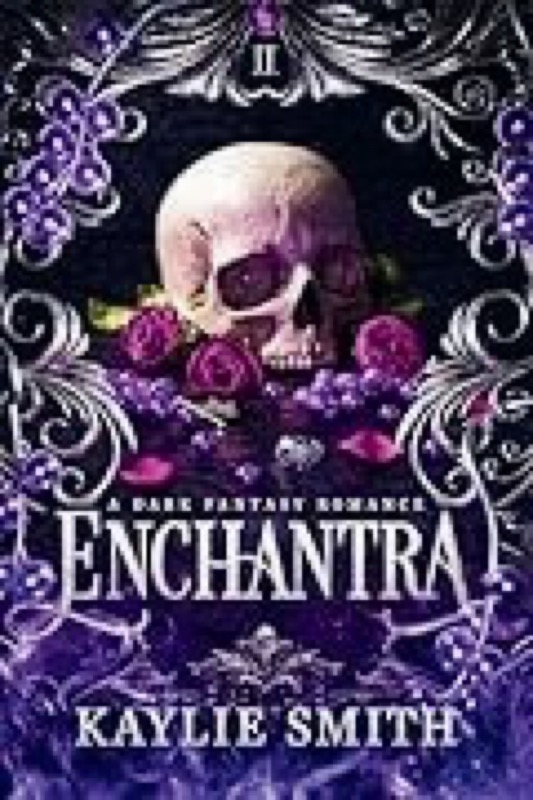
Enchantra
A Dark Fantasy Romance
Hook & thesis
In Kaylie Smith’s Enchantra, the author deftly weaves a tale of forbidden love and dark magic, where the collision of desire and danger creates an intoxicating atmosphere. Verdict: This book transcends typical vampire lore, showcasing a raw exploration of mortality and the human condition beneath its gothic veneer.
The contextual pivot
Enchantra occupies a unique niche within the vampire-paranormal genre, marrying elements of dark romance and gothic horror with an emotional depth that can resonate with both genre enthusiasts and general readers. Positioned among works that subvert traditional vampire tropes, like Anne Rice’s Interview with the Vampire and more contemporary offerings like The Beautiful by Renée Ahdieh, Smith’s narrative sits comfortably in a space that invites readers to confront not just the allure of immortality but the shadows that accompany it. The invisible audience here seems to be those who crave complex characters and morally ambiguous choices, bridging niche tropes with an accessibility that invites broader contemplation on love, loss, and identity.
Deep-dive critique
Smith’s craft shines in her character development and atmospheric world-building. The duality of her characters—both alluring and grotesque—mirrors the landscape they inhabit, a world teetering between beauty and horror. The pacing of the narrative, particularly in the early sections, lingers deliciously on moments of tension and longing, allowing readers to fully immerse themselves in the characters’ emotional turmoil. However, this deliberate pacing sometimes falters; certain sections could benefit from tighter editing to maintain momentum, particularly during the conflict’s climax, where the stakes seem to dissipate under the weight of exposition.
The prose is imbued with a lyrical quality that captures the gothic essence of the story while maintaining clarity. Smith employs rich, evocative imagery—particularly in her descriptions of dark magic and its consequences—drawing readers into a world that feels both familiar and unsettling. Yet, the dialogue occasionally veers into melodrama, which may alienate discerning readers seeking authenticity in character interactions. Despite these moments, the thematic exploration of death and desire remains poignant, especially in the way it interrogates the allure of power and the sacrifice required to wield it. The ending, while resonant, leaves some threads tantalizingly unresolved, potentially frustrating those seeking closure in a narrative steeped in ambiguity.
Discussion launchpad
The tension between desire and danger is palpably crafted in Enchantra, yet how effectively does the narrative balance these forces? The dichotomy of love and violence may polarize readers, with some embracing the complexity while others find it unsettling.
Questions for the room:
- How do character motivations inform your understanding of morality within the narrative?
- In what ways does the portrayal of dark magic reflect societal fears around power and control?
- Does the emotional depth of the characters compensate for any narrative pacing issues?
- How does Smith’s use of gothic elements enhance or detract from the romantic aspects of the story?
- What unresolved themes linger after the conclusion, and how might they shape a potential sequel?
#TheOrchidRoom #vampire #darkromance #gothic #literaryanalysis