
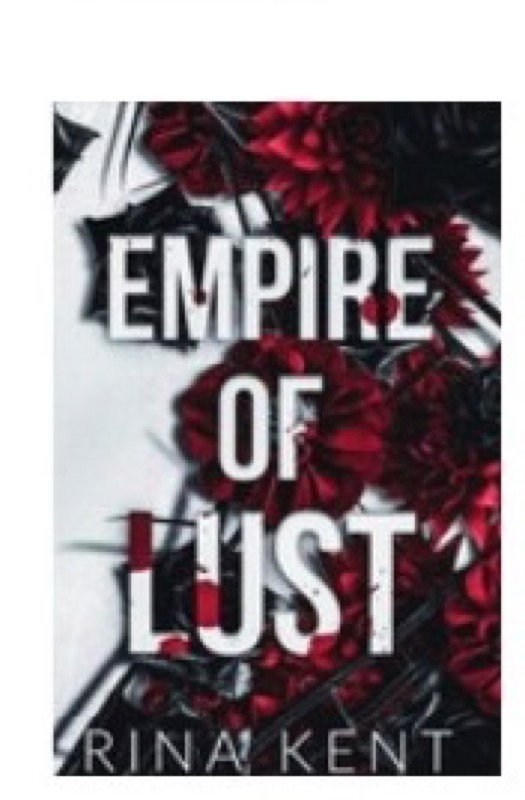
Empire of Lust
Hook & thesis
In Rina Kent’s Empire of Lust, the author plunges readers into a twisted realm where desire and power intertwine, revealing the darker undercurrents of human relationships. Verdict: This novel is a provocative exploration of how lust can corrupt, urging us to confront the unsettling nexus of attraction and domination.
The contextual pivot
Empire of Lust occupies a complex niche within the dark-billionaire subgenre, a territory frequented by authors like Penelope Douglas and Tessa Bailey, yet it carves its own path with a distinctly gothic sensibility. Kent’s work connects deeply with an audience seeking not just titillation, but a profound commentary on power dynamics and the moral ambiguities that accompany wealth. The invisible audience here is perhaps more literary than the genre typically entertains, as Kent navigates the treacherous waters of emotional depth amidst the allure of the dark romance trope.
Deep-dive critique
The structure of Empire of Lust is both its strength and its weakness. Kent employs a dual POV that immerses readers in the motivations of both leads, yet at times it feels like a device that momentarily dilutes the tension built through their initial encounters. The pacing, particularly in the middle sections, tends toward a languorous quality, which can frustrate readers who crave a more relentless narrative drive. However, this slow burn ultimately serves to heighten the stakes of their relationship, showcasing the psychological torment and allure that power holds.
Kent’s prose is vivid and immersive, painting a world where opulence coexists with pain. The dialogue crackles with an undercurrent of tension, reflecting the characters’ struggles with their desires and the societal expectations placed upon them. Themes of blood, power, and emotional manipulation resonate throughout, effectively interlinking the characters’ intimate encounters with their broader struggles. The use of blood imagery is particularly striking, embodying both the violence inherent in their relationship and the visceral nature of their desire.
However, the ending can be polarizing; while some readers may find it a satisfying culmination of the characters’ tumultuous journey, others could argue that it skirts deeper resolutions. Does the novel ultimately glorify the very imbalances it critiques, or does it hold a mirror to the complexities of love intertwined with power?
Discussion launchpad
Empire of Lust is steeped in polarizing themes that can ignite intense discussions:
- The ethical implications of a relationship built on power imbalance—does the narrative romanticize or critique this dynamic?
- Kent’s use of blood imagery—does it enhance the tension or overwhelm the romantic elements?
- The portrayal of wealth—does it serve as a character flaw or a mere backdrop for romance?
- The pacing choices in the narrative—do they amplify or dilute the story’s emotional impact?
Questions for the room:
- How does Kent’s depiction of desire challenge or reinforce your views on romantic relationships?
- What role does the setting play in shaping the characters’ motivations and desires?
- Can we reconcile the allure of dark romance with its often troubling themes, or do they remain irreconcilable?
- How effective is the dual POV in conveying the complexities of power dynamics?
#TheOrchidRoom #darkbillionaire #darkromance #EmpireTrilogy #literaryanalysis