
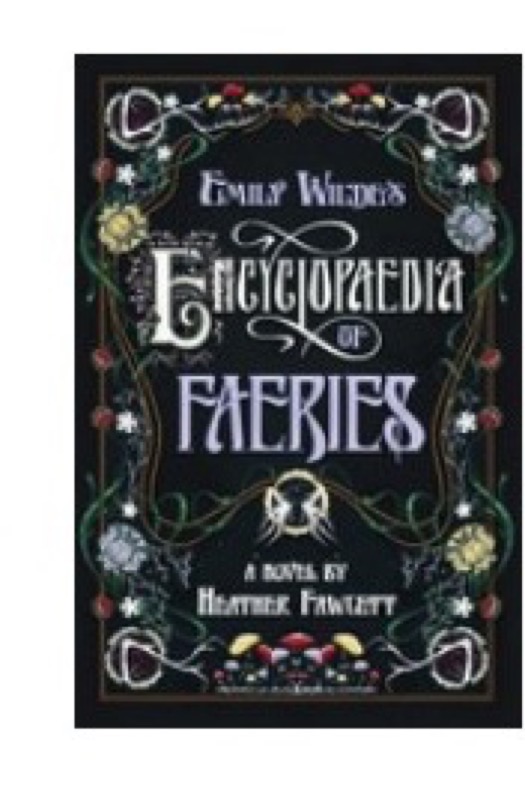
Emily Wilde's Encyclopaedia of Faeries
Hook & thesis
In Emily Wilde’s Encyclopaedia of Faeries, Heather Fawcett embarks on a whimsical yet dark exploration of the fae, intertwining academia and romance against the backdrop of enchanted woods. The book’s engine spins around the tension between scholarly ambition and the seductive allure of the unknown. Verdict: Fawcett crafts an enchanting narrative that melds the cerebral with the visceral, leaving readers simultaneously charmed and wary.
The contextual pivot
Positioned within the burgeoning genre of academic fantasy, Fawcett’s work echoes the thematic richness found in authors like Susanna Clarke and Naomi Novik, who also navigate the complexities of knowledge and the supernatural. This novel appeals to a niche audience captivated by the interplay of scholarship and faerie lore, while simultaneously making strides toward engaging more general readers who crave a blend of whimsy and darkness. The exploration of fae trickery serves as both a vehicle for conflict and a lens through which the characters’ vulnerabilities are laid bare.
Deep-dive critique
Fawcett’s structure strategically unravels the layers of her world through Emily’s first-person perspective, allowing readers to engage intimately with her fears and desires. The pacing, particularly in the early chapters, perfectly balances the unfolding of academic pursuits with the seductive allure of faerie encounters, fostering a sense of impending peril that looms like a shadow over Emily’s scholarly world. The prose is rich and evocative, skillfully painting the ethereal landscapes and the stark contrast of mortal ambition against fae caprice.
Characterization shines through Emily’s complex interplay of ambition and naiveté, as her desire to catalog and control the unpredictable fae world leads her into danger. However, some dialogue choices falter; at times, interactions feel overly expository, detracting from the natural tension that could arise from more subtle exchanges. The thematic success of the piece hinges upon this balance of knowledge and instinct, with the ending leaving questions that resonate long after the last page is turned, particularly regarding the implications of Emily’s choices on her academic integrity and personal desires.
Discussion launchpad
Fawcett’s narrative invites debate on the boundaries between knowledge and danger, as well as the ethics of engaging with faerie lore. The tension between intellectual pursuit and personal risk may divide readers on their sympathies for Emily’s ambitions.
Questions for the room:
- How does Fawcett balance whimsy with darker themes, and does this blend resonate effectively?
- In what ways does Emily’s relationship with the fae reflect the complexities of desire and control?
- Do you find Emily’s academic pursuits relatable, or do they feel detached from the emotional stakes presented?
- Is the portrayal of fae trickery a metaphor for real-world academic challenges and ethical dilemmas?
#TheOrchidRoom #fantasyromance #academicfantasy #fae #darkromance