
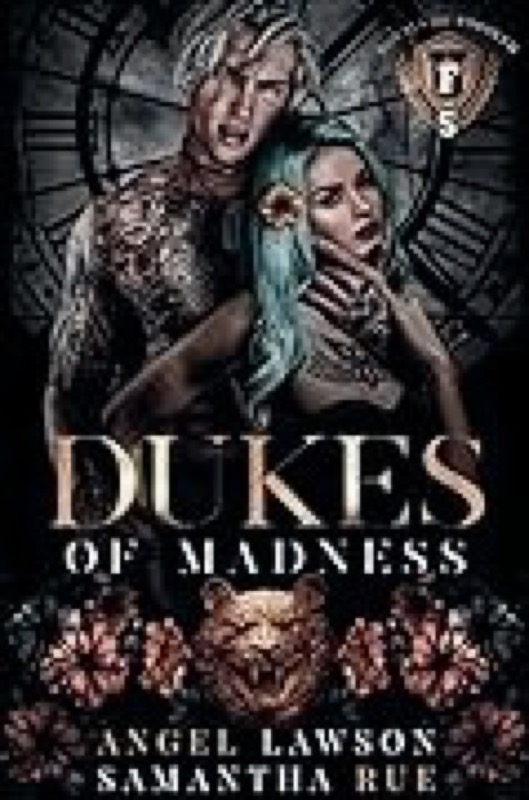
Dukes of Madness
Foster High — Book 5
Hook & thesis
In Dukes of Madness, Angel Lawson and Samantha Rue plunge readers into a turbulent world of obsession and power dynamics, where the lines between love and control blur dangerously. Verdict: This book masterfully channels the raw intensity of bullying and possessive desire, delivering a narrative that compels engagement while challenging moral boundaries.
The contextual pivot
Set within the dark confines of the bully-romance subgenre, Dukes of Madness occupies a unique space in the broader landscape of contemporary young adult fiction. Lawson and Rue have crafted a narrative that aligns with the high-stakes emotional drama found in works by authors like Penelope Douglas and Tijan, yet they push the envelope further into the realm of psychological tension and moral ambiguity. Their integration of a reverse harem setup and elements of violence not only targets niche audiences drawn to darker themes but also invites general readers to explore complex character dynamics that challenge societal norms. The invisible audience here is one that craves visceral experiences, and the authors successfully bridge the gap between niche and mainstream with their potent blend of character-driven conflict.
Deep-dive critique
The structure of Dukes of Madness is crafted with a deliberate pacing that heightens the tension, using alternating points of view that illuminate the internal struggles of both the protagonists and antagonists. This dual perspective creates a layered understanding of the power imbalance at play, showcasing how desire can morph into obsession. The authors’ prose is laced with a simmering intensity, employing dialogue that crackles with unspoken threats and yearning, effectively illustrating the fine line between affection and hostility.
However, the book does stumble at times; certain plot elements feel repetitive, and some character arcs could benefit from greater depth, especially regarding their motivations. The ending presents a resolution steeped in ambiguity; while it is thematically significant, whether it feels earned may differ among readers. The culmination invites reflection on the nature of redemption and the consequences of past actions, underscoring the novel’s exploration of power dynamics.
Discussion launchpad
Dukes of Madness is sure to spark varied interpretations and intense discussions, particularly around its moral complexities and character motivations. The interplay of love and control, alongside the depiction of bullying, can divide opinions on the ethical implications of the story’s events.
Questions for the room:
- How do the authors navigate the fine line between romance and toxic behavior?
- In what ways do the characters embody or subvert traditional archetypes within the bully-romance genre?
- Does the dual POV enhance or detract from the narrative’s tension?
- How does the resolution affect your perception of the protagonists’ journey?
- What role does the setting of Foster High play in shaping the characters’ conflicts and desires?
#TheOrchidRoom #bullyromance #darkromance #fosterhigh #literaryanalysis