
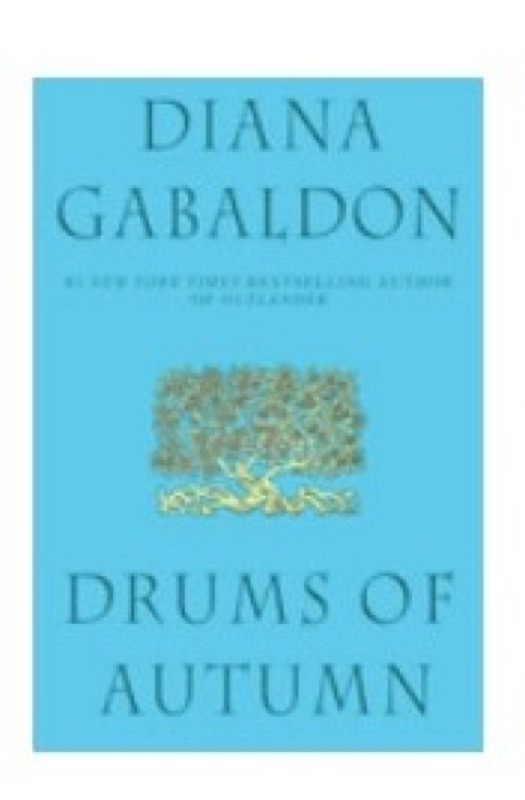
Drums of Autumn
Hook & thesis
In Drums of Autumn, Diana Gabaldon deftly intertwines sweeping historical narrative with the intimate struggles of love and identity, challenging the very essence of loyalty. Verdict: This novel is a masterclass in emotional complexity, where the characters’ desires clash with the brutal realities of their world, leaving them — and the readers — in a state of perpetual longing.
The contextual pivot
Positioned firmly within the fantasy-romance genre, Drums of Autumn stands as the fourth installment in Gabaldon’s celebrated Outlander series, which has carved a niche for itself by blending historical fiction with speculative elements. Unlike many contemporary romance novels that often prioritize plot over character development, Gabaldon’s work resonates with those who crave depth, intricately exploring themes of colonialism, identity, and survival. The invisible audience here comprises readers who appreciate a rich tapestry of history interwoven with complex human emotions, and Gabaldon successfully bridges niche tropes to captivate a broader audience, inviting both fans of historical romance and casual readers into her expansive world.
Deep-dive critique
Gabaldon’s narrative structure in Drums of Autumn is a compelling dance between various timelines and perspectives, skillfully employing a dual narrative that allows for an exploration of both Jamie and Claire’s evolving relationship amidst the tumult of colonial America. This technique enhances the thematic core of the novel — the struggle for autonomy in a world rife with power dynamics and societal constraints. Pacing, however, occasionally falters; certain passages linger too long in descriptive detail, which while lush, can momentarily disrupt the narrative momentum.
The prose itself is rich and evocative, yet tends to indulge in melodrama that sometimes veers into the territory of cliché. For instance, Gabaldon’s vivid depictions of nature serve not only as backdrop but also as a reflection of the characters’ inner turmoil, though at times, this metaphorical layering can feel heavy-handed. Characterization shines through in the complexities of Jamie and Claire’s relationship, revealing their vulnerabilities, desires, and fears. Dialogue crackles with authenticity, capturing the nuances of 18th-century vernacular while remaining accessible.
The ending, steeped in tension and unresolved conflict, feels earned, compelling readers to grapple with the implications of the characters’ choices and the societal structures that bind them. The emotional stakes are palpable, ensuring that the readers are not merely observers but participants in the characters’ journeys.
Discussion launchpad
Drums of Autumn invites rich debate on the intersection of history and romance, particularly regarding the ethical implications of its colonial themes. Its portrayal of desire against a backdrop of violence and societal upheaval may polarize readers, leading to discussions about representation and the romanticization of historical atrocities.
Questions for the room:
- How do Gabaldon’s depictions of colonial America influence your perception of the characters’ romantic struggles?
- Does the novel’s romantic plot overshadow its historical context, or do they coexist in a meaningful way?
- In what ways do the character arcs challenge or reinforce traditional gender roles within the genre?
- How does the pacing of the narrative affect your engagement with the central themes?
- What is the impact of the unresolved tensions at the story’s conclusion on your overall interpretation of the characters’ journeys?
#TheOrchidRoom #fantasyromance #darkromance #literaryanalysis #Outlander