
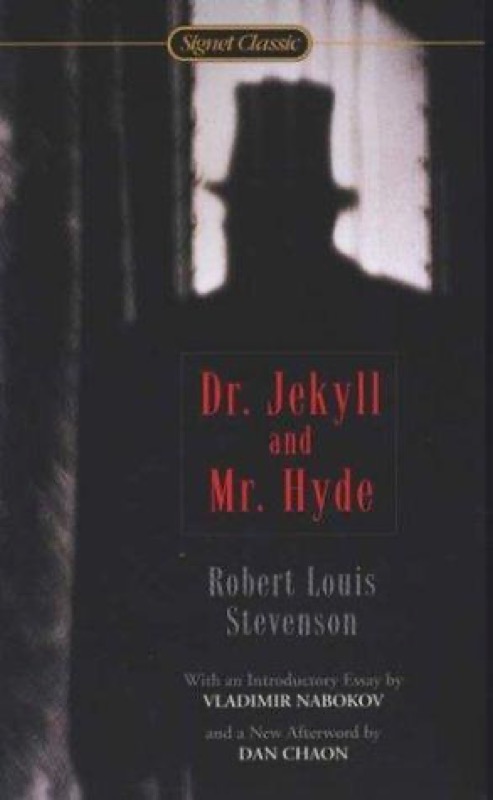
Dr. Jekyll and Mr. Hyde
Hook & thesis
Robert Louis Stevenson’s Dr. Jekyll and Mr. Hyde unravels the duality of human nature with a chilling precision that draws readers into the depths of identity and morality. Verdict: This gothic horror romance serves as a dark mirror reflecting our primal desires, making us question the very fabric of our humanity.
The contextual pivot
As a cornerstone of gothic literature, Dr. Jekyll and Mr. Hyde stands alongside the likes of Mary Shelley’s Frankenstein and Bram Stoker’s Dracula, weaving themes of the monstrous within the mundane. Stevenson exposes the invisible audience of Victorian society, a culture obsessed with respectability yet teetering on the edge of depravity. The novel bridges niche tropes of horror and psychological introspection into a narrative that resonates beyond its era, inviting both genre aficionados and general readers to dissect the complexities of human nature.
Deep-dive critique
The structure of Stevenson’s narrative, characterized by its fragmented timeline and shifting perspectives, allows for a slow revelation of Jekyll’s internal conflict, creating a sense of mounting tension. The pacing, oscillating between serene observations and violent transformations, mirrors the tumultuous battle between civility and savagery within the self. Stevenson’s prose is sharp and evocative, with vivid descriptions that breathe life into the fog-shrouded streets of London, establishing a world rife with psychological unease.
Characterization shines through the dichotomy of Jekyll and Hyde; the former embodies societal expectations while the latter represents unfiltered desire and chaos. The dialogue, particularly between Utterson and his acquaintances, underscores the tension of repression in a society that prizes decorum, while also hinting at the undercurrents of violence that lurk beneath. However, the conclusion, while thematically coherent, risks leaving readers in a murky moral ambiguity that may not fully satisfy those seeking resolution. This ambiguity enhances the thematic success of the novel but also invites criticism regarding its execution and the psychological implications of Jekyll’s ultimate fate.
Discussion launchpad
Stevenson’s exploration of identity and morality invites polarizing perspectives, particularly regarding the implications of duality in human nature. The tension between societal expectations and primal instincts raises essential questions about what it means to be truly human.
Questions for the room:
- How does the portrayal of duality in Jekyll and Hyde reflect contemporary societal issues?
- In what ways does the ending serve the narrative, and does it provide closure or further unrest?
- Can Jekyll’s transformation be viewed as a cautionary tale against the repression of desire?
- What role does the setting play in amplifying the psychological horror of the narrative?
- How might the themes of addiction and mental illness resonate in today’s context?
#TheOrchidRoom #gothic #psychological #identity #horrorromance