
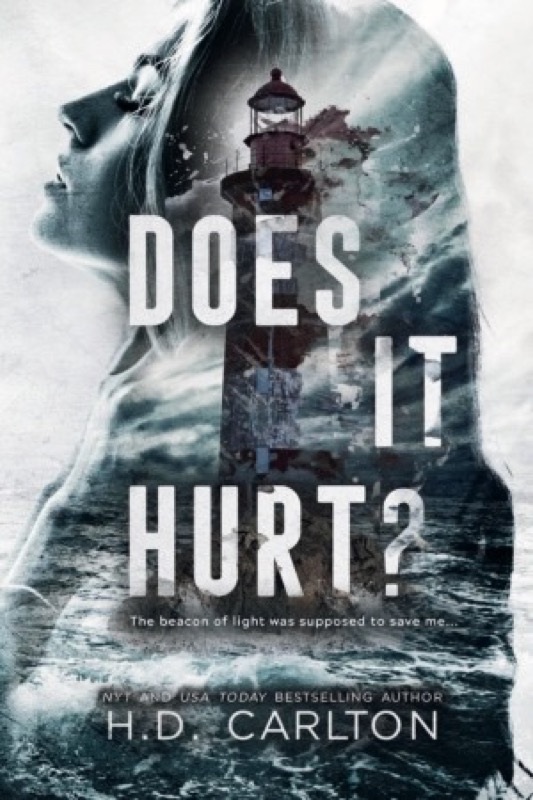
Does It Hurt?
The beacon of light was supposed to save me...
Hook & thesis
In H.D. Carlton’s Does It Hurt?, the author intricately weaves a tale of captivity and desire, exposing the raw underbelly of human emotion amidst a gothic backdrop. Verdict: This novel is a daring exploration of trauma and longing that pushes the boundaries of love, leaving readers both unsettled and captivated.
The contextual pivot
Positioned firmly within the captor-and-captive subgenre, Carlton’s work aligns with the psychological intensity found in dark romance, akin to authors like Anna Zaires and Pepper Winters. Carlton’s narrative navigates the complexities of both power dynamics and emotional entrapment, making it appealing not just to devoted followers of niche themes but also to a broader audience intrigued by the darker facets of love. The invisible audience consists of readers seeking emotional depth intertwined with suspense, and Carlton delivers a narrative that bridges the gap between visceral content and poignant character exploration.
Deep-dive critique
The structure of Does It Hurt? is a compelling dance between dual perspectives, allowing readers to traverse the fragile realm of captor and captive. This duality creates a tension that is both palpable and unnerving, effectively deepening the reader’s investment in the characters’ tumultuous relationship. Carlton’s prose is sharp and evocative, rich with imagery that reflects the emotional stakes at play. For example, the lighthouse setting serves as a powerful symbol of both isolation and hope, contrasting the characters’ internal struggles with their physical environment.
However, the pacing occasionally falters, particularly in moments where introspection lingers too long, risking the narrative’s momentum. Dialogue, while often poignant, sometimes veers into melodrama, which can detract from the authenticity of the characters’ experiences. The thematic exploration of psychological distress is commendable, yet it may leave some readers grappling with discomfort — a testament to Carlton’s ability to provoke thought, though it risks alienating those unprepared for such emotional intensity. The ending, while provocative, may feel abrupt, leaving questions lingering that could either resonate deeply or frustrate depending on the reader’s engagement with the themes presented throughout the text.
Discussion launchpad
The novel’s polarities lie in its exploration of dark desires and the ethical implications of love birthed from suffering. Some may view the narrative as a poignant reflection on resilience, while others could critique it as romanticizing trauma.
Questions for the room:
- How does Carlton challenge the traditional notions of love through the lens of captivity and trauma?
- What role does setting play in shaping the characters’ psyches and their relationship dynamics?
- Can we separate an appreciation for the craft from the discomfort of its themes? How does that impact readers’ enjoyment?
- What are the implications of the emotional intensity depicted in the relationship — does it elevate the narrative or detract from its authenticity?
#TheOrchidRoom #DoesItHurt #HDCarlton #darkromance #psychologicalthriller