
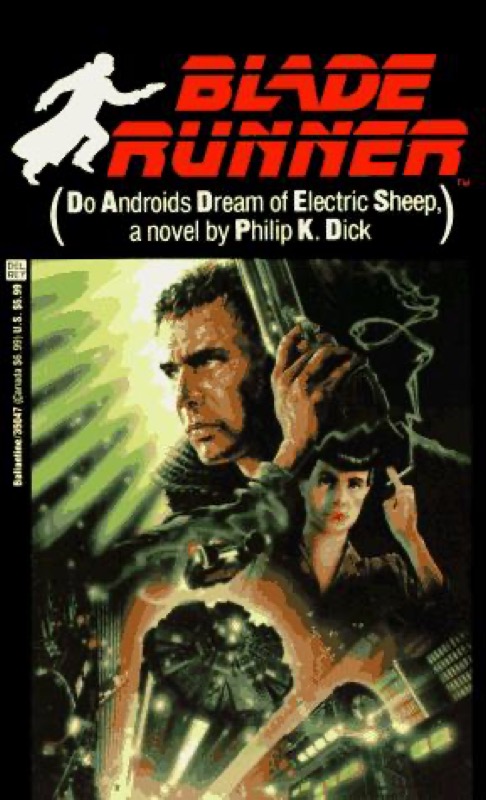
Do Androids Dream of Electric Sheep?
A dystopian exploration of humanity and artificial intelligence.
Hook & thesis
Philip K. Dick’s Do Androids Dream of Electric Sheep? delves into the murky waters of humanity’s essence through the lens of artificial intelligence. Verdict: This novel masterfully intertwines existential dread with a critique of emotional authenticity in a technologically saturated world.
The contextual pivot
Occupying a vital space in the dark-thriller and science fiction genres, Dick’s work stands alongside contemporaries such as Isaac Asimov and Ray Bradbury, yet it diverges into more psychologically complex territories. This novel not only explores AI but also critiques the human condition, making it both niche and broadly relevant; it engages readers who grapple with the implications of technology on identity and morality. The invisible audience consists of those intrigued by philosophical inquiries into human experience, bridging a gap between genre enthusiasts and general readers seeking deeper existential narratives.
Deep-dive critique
The structure of Do Androids Dream of Electric Sheep? is an intricate tapestry of multiple perspectives and fragmented timelines, enhancing the narrative’s themes of reality and artificiality. The pacing, particularly in the latter half, accelerates as protagonist Rick Deckard confronts his own moral dilemmas, effectively mirroring his internal conflict. Dick’s prose oscillates between stark and surreal, complementing the philosophical underpinnings while occasionally faltering in dialogue, which can feel stilted in its attempt to convey complex ideas. The character development is profound, particularly Deckard’s transformation from a mere bounty hunter to a figure grappling with empathy, underscoring the novel’s exploration of what it means to be human. However, the ending may leave some readers feeling unresolved, as it raises more questions than it answers about identity and authenticity, which may not resonate with those seeking closure.
Discussion launchpad
The novel’s themes and its philosophical inquiries invite diverse interpretations, prompting a range of reactions from readers.
- How does Dick’s portrayal of androids challenge our understanding of empathy and humanity?
- In what ways does the setting influence the characters’ moral dilemmas?
- Is the ending a fitting conclusion or an invitation to further contemplation?
Questions for the room:
- Does the emotional disconnect of the characters serve to enhance or detract from the story’s impact?
- How do the novel’s existential themes resonate with current societal anxieties about technology?
- Can we find solace in the idea of artificial beings achieving empathy, or does it underscore our own failures?
#LiteraryAnalysis #darkthriller #sciencefiction #existentialthemes #theorchidroom