
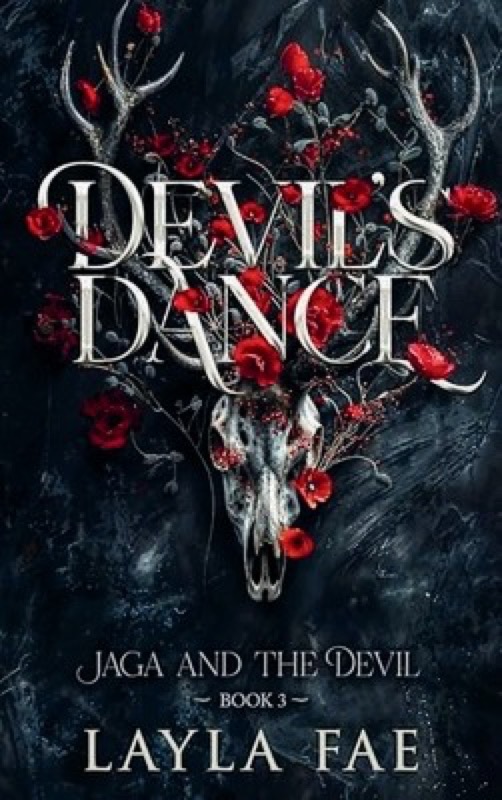
Devil's Dance
Jaga and the Devil — Book 3
Hook & thesis
In Devil’s Dance, Layla Fae plunges the reader into a maelstrom of forbidden love entwined with dark, supernatural elements, revealing the seductive grip of desire and the perils of choice. Verdict: This novel masterfully entwines horror and romance, crafting a haunting exploration of the human heart’s darkest corners.
The contextual pivot
Devil’s Dance occupies a unique niche within the forbidden-love genre, standing alongside works by authors like Anne Rice and Laura Esquivel, who similarly explore the intersections of passion and peril. Fae’s narrative confronts not only the allure of the taboo but also the psychological ramifications faced by her protagonists. While steeped in occult and supernatural themes, this book remains accessible to a broader audience, bridging niche tropes to general readers who crave both thrill and depth in their romantic escapism. It’s a testament to Fae’s growing prowess that this third installment in the Jaga and the Devil series elevates her established themes while inviting new readers into her darkly enchanting world.
Deep-dive critique
Fae’s structural choices—shifting timelines and intertwining perspectives—immersively encapsulate the tension between the characters’ desires and the consequences of their actions. The narrative’s pacing is deliberate, allowing the reader to absorb the weight of each decision while simultaneously building suspense. Fae’s prose often glimmers with poetic darkness, accentuating the emotional intensity of the protagonists’ struggles. For instance, the visceral imagery used during moments of supernatural conflict juxtaposes the tenderness of the love scenes, creating a powerful contrast that heightens the stakes.
However, while Fae’s character development is commendable, certain supporting characters feel undercooked, their motivations appearing one-dimensional in moments that demand complexity. This imbalance sometimes detracts from the emotional resonance of the primary relationship, leaving the reader hungry for deeper exploration of the ensemble cast. The thematic threads woven throughout the narrative—such as the duality of love as a force of destruction and salvation—are rich but could be further nuanced, especially in how they relate to the supernatural elements. The ending, while satisfying, risks feeling rushed, as the weight of the preceding emotional turmoil deserves a more expansive resolution.
Discussion launchpad
Devil’s Dance ignites lively debates around the nature of forbidden love and the ethics of desire, drawing lines between morality and passion, safety and danger.
Questions for the room:
- How do the supernatural elements enhance or detract from the central love story?
- Are the characters’ choices justifiable in the context of their desires, or do they betray a deeper moral failing?
- What role does violence play in shaping our understanding of love in this narrative?
- How does Fae’s portrayal of female agency in the context of dark romance challenge or conform to traditional genre expectations?
- In what ways does the novel reflect contemporary societal tensions surrounding love and taboo?
#TheOrchidRoom #forbiddenlove #darkromance #literaryanalysis #darkheartlabs