
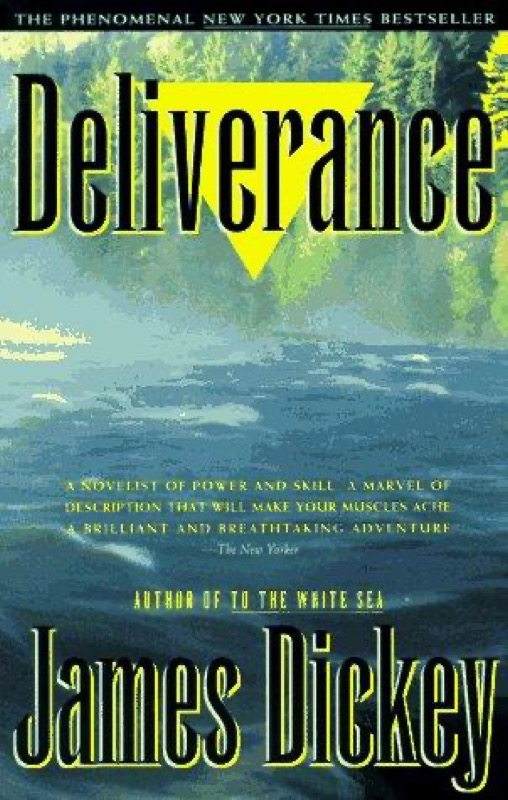
Deliverance
Hook & thesis
In Deliverance, James Dickey plunges readers into the abyss of human depravity and the primal struggle for survival, where male camaraderie devolves into a fight against monstrous instincts. Verdict: This harrowing tale excavates the dark recesses of masculinity, revealing that the wilderness is not merely a backdrop but a crucible for the soul’s corruption.
The contextual pivot
Situated at the intersection of dark-thriller and psychological horror, Deliverance resonates with the raw tension found in works by authors like Cormac McCarthy and Flannery O’Connor. Dickey’s exploration of male bonding under duress appeals to a niche audience while simultaneously bridging broader themes of survival and morality that can engage general readers. This novel stands as a poignant critique of the American mythos of rugged individualism, leveraging wilderness as a metaphor for the savage instincts lurking within all men.
Deep-dive critique
Dickey constructs a haunting narrative filled with slow-burning tension. The pacing, however, oscillates unevenly; while the languid early chapters effectively build atmosphere, they can lead to a sense of fatigue before the relentless pace of the climax. The choice to employ a first-person perspective is a double-edged sword — it immerses readers in the protagonist’s psyche but also limits the narrative scope, often leaving secondary characters underdeveloped.
The prose is lyrical and visceral, evoking both the beauty and menace of nature; yet, it often teeters on the verge of self-indulgence. The dialogue, while at times strikingly authentic, falls into the trap of exposition, particularly during moments of high tension that could benefit from more subtlety.
The central conflict — the battle against both nature and one’s darker inclinations — culminates in an ending that, while shocking, leaves readers questioning its earnestly derived resolution. The moral ambiguity that permeates the story reflects a universe devoid of clear heroes or villains; instead, it paints a portrait of humanity as a tapestry woven with threads of violence and vulnerability.
Discussion launchpad
Dickey’s Deliverance invites polarizing interpretations, particularly regarding its treatment of violence and masculinity. The reader’s experience can vary significantly based on personal perspectives on these themes.
Questions for the room:
- Does the portrayal of violence serve as a necessary narrative device or does it detract from the story’s integrity?
- How does the depiction of male bonding complicate the themes of friendship and betrayal?
- In what ways does the setting enhance or undermine the characters’ psychological journeys?
- Is the ending an affirmation of survival or a grim reflection on the human condition?
- How does Dickey’s style influence your emotional response to the events of the story?
#LiteraryAnalysis #GothicEdge #darkthriller #theorchidroom #darkheartlabs