
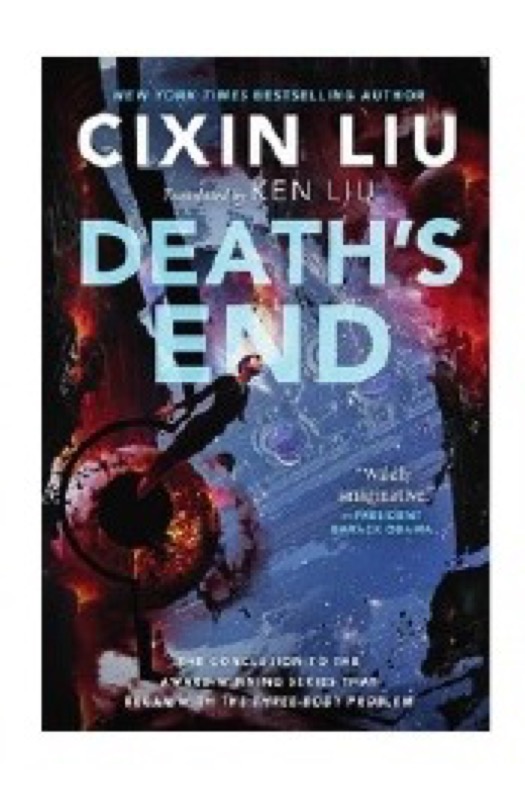
Death's End
Remembrance of Earth's Past Book Three
Hook & thesis
In Death’s End, Cixin Liu masterfully intertwines the vastness of space with the intricate dance of human emotion, exploring the fragile boundaries between love, sacrifice, and the chilling inevitability of death. Verdict: This ambitious finale is both a haunting meditation on humanity’s place in the cosmos and a poignant reminder of the human heart’s capacity for desire amidst despair.
The contextual pivot
As the concluding installment of the Remembrance of Earth’s Past trilogy, Death’s End is a cornerstone of contemporary science fiction, delving into themes of existential dread and the complexities of interstellar relationships. Liu’s work stands shoulder to shoulder with other titans of the genre, such as Arthur C. Clarke and Isaac Asimov, yet carves its own niche by placing emotional weight alongside its scientific inquiries. The invisible audience here is not just the hardcore science fiction aficionados but also readers drawn to the philosophical musings of human connection and the darker shades of romance, making it a bridge between niche tropes and broader literary appeal.
Deep-dive critique
Liu’s narrative structure in Death’s End oscillates between grand, sweeping timelines and intimate personal stories, a choice that reflects the emotional stakes of the characters’ journeys. The use of multiple perspectives enhances the thematic richness, allowing for a kaleidoscope of insights into the human experience against a backdrop of cosmic horror. The pacing, however, can occasionally falter, especially in the second act, where the shifts between grand-scale conflict and personal stakes feel jarring. This dissonance, though, can also be interpreted as a deliberate craft choice that mirrors the chaos of the universe itself.
The prose, while at times dense with scientific jargon, achieves moments of lyrical beauty that elevate the emotional stakes, especially in scenes where love and loss intertwine. For instance, Liu’s exploration of the bonds between characters, such as the poignant relationships that blossom amid cosmic decay, highlights the novel’s romantic undercurrents, creating a rich tapestry where fantasy and reality collide. However, dialogue can occasionally feel expository, a necessary evil when grappling with the complexities of Liu’s expansive universe.
Ultimately, the ending is both earned and unsettling, leaving readers to grapple with the weight of the choices made by the characters. It embodies the tragic beauty of sacrifice while raising questions about the future of humanity—an echo of the themes that resonate long after the final page is turned.
Discussion launchpad
Death’s End is rife with polarities that are bound to ignite debate. The interplay of hard science fiction with emotional narrative raises questions about the limits of human understanding and connection.
Questions for the room:
- How do you interpret the balance between Liu’s scientific rigor and the emotional arcs of his characters?
- In what ways does the ending challenge traditional notions of romantic sacrifice?
- Do you feel the pacing issues detract from the overall impact, or do they serve the narrative’s grand design?
- What themes in Death’s End resonate most with contemporary societal issues?
#TheOrchidRoom #fantasyromance #romantasy #darkromance #literaryanalysis