
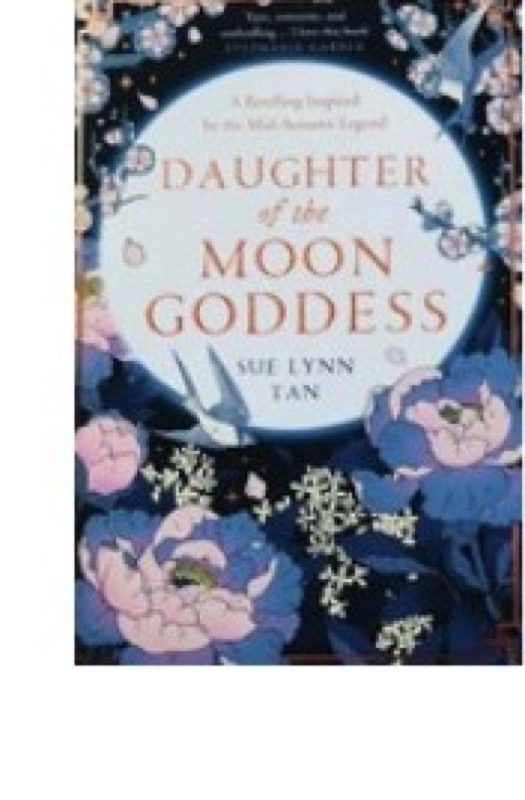
Daughter of the Moon Goddess
A retelling inspired by the Mid-Autumn legend
Hook & thesis
In Daughter of the Moon Goddess, Sue Lynn Tan weaves a tapestry of myth and emotion, exploring the depths of longing and sacrifice through the lens of familial duty and celestial power. Verdict: This enchanting retelling pulses with the heat of desire and the bitter taste of exile, leaving readers breathless as it grapples with the cost of love and freedom.
The contextual pivot
Positioned within the burgeoning fantasy-romance genre, Tan’s work draws on rich threads of Chinese mythology and the xianxia tradition, crafting a narrative that speaks to both niche audiences and general readers alike. Unlike many contemporary fantasy tales, which often lean heavily on Western tropes, Tan bridges cultural divides, offering a fresh perspective that resonates beyond its folkloric roots. This novel stands as a testament to the author’s commitment to exploring heritage while engaging with universal themes of love, loss, and the inexorable pull of destiny.
Deep-dive critique
The structure of Daughter of the Moon Goddess is defined by a compelling duality: the protagonist’s internal struggle against external forces. Tan deftly employs a third-person limited perspective, allowing readers intimate access to Xingyin’s emotional landscape while maintaining an aura of mystery around other characters. This choice heightens the narrative tension as Xingyin grapples with her identity, torn between her role as the daughter of the Moon Goddess and her yearning for independence.
Pacing ebbs and flows, mirroring the cycles of the moon that are intrinsic to the story’s themes. Moments of swift action, particularly during encounters with monsters or adversaries, juxtapose quieter reflections on love and duty, creating a rhythm that keeps the reader engaged. However, this pacing sometimes falters, with certain emotional beats feeling rushed, potentially leaving readers craving deeper exploration of character motivations.
Tan’s prose excels in its lyrical quality, painting vivid imagery that evokes the otherworldly beauty of the celestial kingdom. Descriptions of landscapes and celestial phenomena are lush and evocative, grounding readers in a visually stunning world. Yet, dialogue occasionally lacks the same depth, with exchanges feeling functional rather than transformative, which can diminish the emotional stakes at critical moments.
The thematic success lies in its exploration of exile—not just as a physical state, but as an emotional one. Xingyin’s journey encapsulates the struggle between innate desires and societal expectations, culminating in an ending that, while satisfying, could be perceived as a bit too neat given the tumultuous path taken to reach it.
Discussion launchpad
This narrative opens the floor to various polarizing discussions, particularly around cultural representation and the balance between mythological fidelity and personal agency. How do readers negotiate their expectations of romantic fulfillment against the backdrop of sacrifice and duty?
Questions for the room:
- How effectively does Tan balance romantic elements with the overarching themes of duty and sacrifice?
- In what ways does the portrayal of exile resonate with contemporary issues of identity and belonging?
- Does the ending provide a sense of closure, or does it leave critical questions unanswered?
- How does the novel compare to other fantasy romances in its treatment of mythology?
- What role does the pacing play in shaping the emotional impact of the narrative?
#TheOrchidRoom #fantasyromance #romantasy #darkromance #chinesemythology