
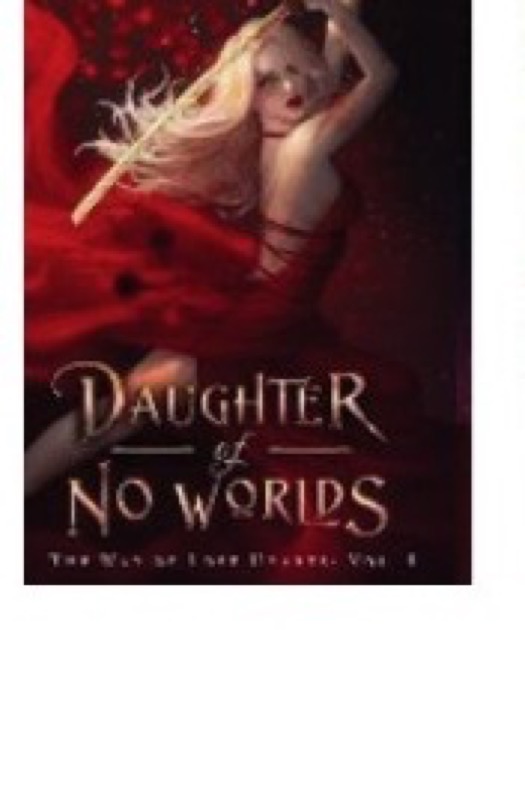
Daughter of No Worlds
The War of Lost Hearts, Vol. 1
Hook & thesis
Carissa Broadbent’s Daughter of No Worlds is a mesmerizing exploration of identity and desire set against the backdrop of a tumultuous war. Verdict: This novel deftly unravels the raw, often brutal threads of love and loyalty, illuminating the complexities of power and choice within a beautifully crafted fantasy realm.
The contextual pivot
Positioned within the burgeoning subgenre of fantasy-romance, Daughter of No Worlds captures a unique intersection of dark themes and romantic yearning, reminiscent of Sarah J. Maas’s work but with a distinct narrative voice that leans heavily into the gothic. Broadbent’s prose fuses lush imagery with a raw emotional depth, appealing not only to the established fantasy audience but also bridging the gap for readers of darker, more character-driven romances. The exploration of societal issues, such as slavery and the implications of war, enriches the narrative, making it relevant in discussions of personal and collective struggle.
Deep-dive critique
The novel unfolds through a carefully orchestrated dual timeline that juxtaposes the protagonist’s current plight against her past, enhancing the tension between memory and reality. Broadbent’s skillful use of first-person perspective invites readers into the chaotic mind of the heroine, allowing an intimate understanding of her conflicted emotions. The pacing, however, occasionally stumbles; certain sections linger too long on internal monologues that, while beautifully written, could benefit from tighter editing to maintain narrative momentum.
Character development is a standout aspect, with the protagonist’s growth felt palpably through her decisions, reflecting the broader themes of autonomy and resistance. Dialogue, while often evocative, sometimes veers into predictable territory, which could alienate readers seeking more original exchanges. The world-building is immersive, with rich details that create a haunting atmosphere; however, at times it risks overwhelming readers with its complexity, especially in the initial chapters.
The ending, laden with emotional weight and moral ambiguity, is a testament to Broadbent’s willingness to challenge reader expectations. It is earned not by conventional resolutions but through the protagonist’s painful choices that resonate long after the final page is turned.
Discussion launchpad
This novel presents rich polarities ripe for exploration. On one hand, the romantic elements intertwine intimately with heavier themes of war and oppression, prompting readers to question the balance between desire and ethical considerations. On the other, the duality of character motivations may lead to both admiration and frustration among readers.
Questions for the room:
- How does the juxtaposition of romance and war influence your perception of the characters’ motivations?
- Do you feel the pacing issues detract from or enhance the emotional impact of the story?
- What role does the gothic atmosphere play in shaping your engagement with the narrative?
- In what ways does the depiction of power dynamics challenge or reinforce traditional fantasy tropes?
- How do the content warnings shape your reading experience, and do they alter your interpretation of the romantic elements?
#TheOrchidRoom #fantasyromance #darkromance #CarissaBroadbent #DaughterOfNoWorlds