
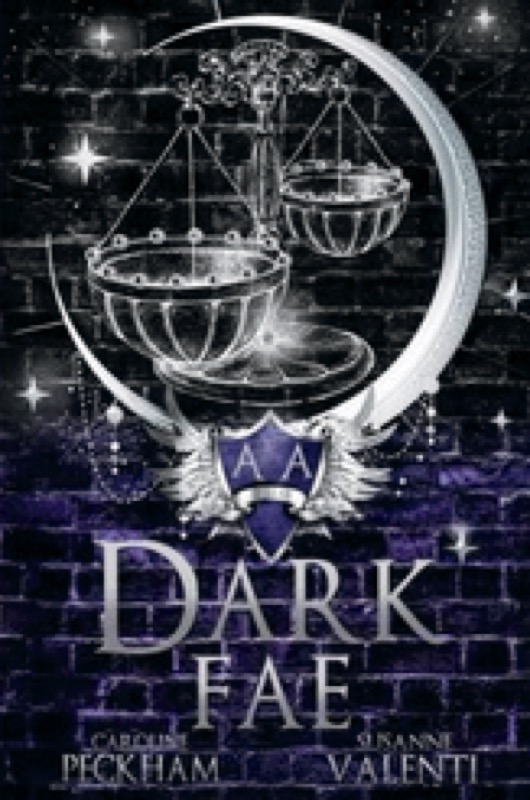
Dark Fae
Hook & thesis
In “Dark Fae,” Caroline Peckham and Susanne Valenti craft a seductive, twisted narrative that entangles the reader in a world of dark romance and ruthless desire. Verdict: The authors unleash a visceral exploration of power dynamics and emotional peril, making this book a pulsing heart of chaos that demands to be savored.
The contextual pivot
Positioned firmly within the reverse-harem genre, “Dark Fae” beckons those who relish the interplay of desire and peril, while it simultaneously invites a more general audience drawn to the allure of gothic elements and complex relationships. This work stands as a testament to Peckham and Valenti’s ability to navigate the murky waters of desire, where each character embodies both allure and danger, reminiscent of works by authors like Sarah J. Maas and Jennifer L. Armentrout. Their collective narrative pulls from niche tropes, like the polyamorous entanglements common in reverse-harem tales, while also bridging into broader themes of self-discovery and empowerment amid chaos, ensuring accessibility without sacrificing depth.
Deep-dive critique
The structure of “Dark Fae” cleverly employs multiple perspectives, allowing readers to intimately experience the multifaceted conflicts that arise from its characters’ desires and fears. The pacing, punctuated by moments of intense tension and fervent emotional exchanges, mirrors the protagonists’ tumultuous journey — one which is as much about the external world as it is about inner conflict. The authors excel in character development; each figure in the harem is crafted with distinct motivations and flaws, enriching the narrative tapestry. However, moments of dialogue occasionally falter, straying into cliché territory, which risks diluting the otherwise electric atmosphere.
The thematic exploration of bullying and violence serves to heighten the stakes, raising questions about consent and agency within relationships. The world-building, while lush and immersive, sometimes leans on genre tropes that can feel predictable. Still, the authors manage to weave a sense of urgency and unpredictability into the climax, making the ending feel both earned and impactful, despite its romantic resolutions.
Discussion launchpad
The interplay of power and desire in “Dark Fae” raises significant questions about consent and emotional manipulation that could polarize readers. The darker elements, including bullying and violence, may elicit varied interpretations of the narrative’s moral landscape.
Questions for the room:
- How do you interpret the themes of consent within the context of the relationships depicted?
- Do the darker elements enhance or detract from the romance?
- How does the portrayal of the harem challenge or reinforce traditional gender dynamics?
- In what ways do you think the authors balance genre expectations with character authenticity?
- What unresolved tensions or biases linger in the narrative for you?
#TheOrchidRoom #reverseharem #darkromance #ruthlessboys #zodiac