
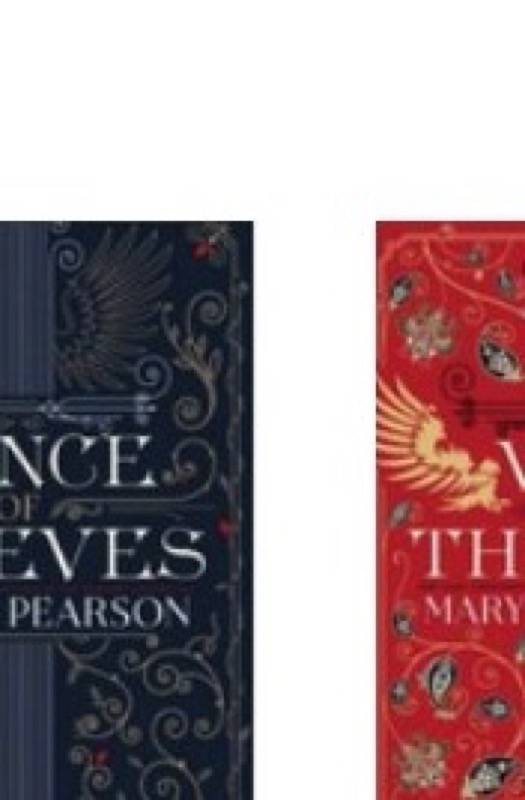
Dance of Thieves
Hook & thesis
In Dance of Thieves, Mary E. Pearson masterfully intertwines threads of loyalty, love, and the unrelenting grip of power, crafting a narrative that pulses with underlying tensions. Verdict: This is a tale that seduces with its dark allure while demanding a reckoning with the cost of ambition and trust.
The contextual pivot
Positioned within the realm of fantasy romance, Dance of Thieves straddles the line between traditional adventure and the intricacies of romantic entanglements, reminiscent of Sarah J. Maas’s work, albeit with a more nuanced exploration of moral ambiguity. Pearson’s narrative invites readers into a world where alliances are fragile and love can be both a weapon and a sanctuary. The novel bridges niche tropes—such as rogue factions and political intrigue—to appeal to a broader audience, engaging both fantasy aficionados and those drawn to deeper, character-driven romance.
Deep-dive critique
Pearson’s structure employs a dual perspective, oscillating between the protagonists, which enriches the narrative with contrasting desires and internal conflicts. This craft choice expertly heightens the romantic tension, allowing readers to delve into the emotional landscapes of both characters. The pacing, however, sometimes falters under the weight of its ambitions; certain sequences linger too long on world-building at the expense of character momentum, potentially alienating readers seeking a more immediate emotional connection.
The prose is imbued with a lyrical quality, particularly in its dialogue, which crackles with unspoken longing and sharp wit. However, there are moments where the character motivations feel slightly contrived, undermining their complexity. As for the thematic success, Pearson excels in her exploration of loyalty—both to loved ones and ideals—though the resolution feels slightly rushed, leaving some character arcs feeling unfulfilled. The ending, while dramatic, risks nullifying earlier stakes, raising questions about its overall efficacy in delivering a satisfying conclusion.
Discussion launchpad
The novel’s interplay of love and power is rife with polarizing interpretations, especially regarding the sacrifices characters make in the name of loyalty versus self-preservation. This dichotomy invites fervent debate around the moral complexities of the choices presented.
Questions for the room:
- How do you perceive the balance between duty and desire in the characters’ decisions?
- Do you find the dual perspective enriching or confusing? Why?
- In what ways does the resolution impact your reading of the characters’ journeys?
- How does Pearson’s handling of emotional intensity affect your connection to the story?
- What tropes do you think were most effectively utilized or subverted in the narrative?
#TheOrchidRoom #fantasyromance #romantasy #darkromance #literaryanalysis