
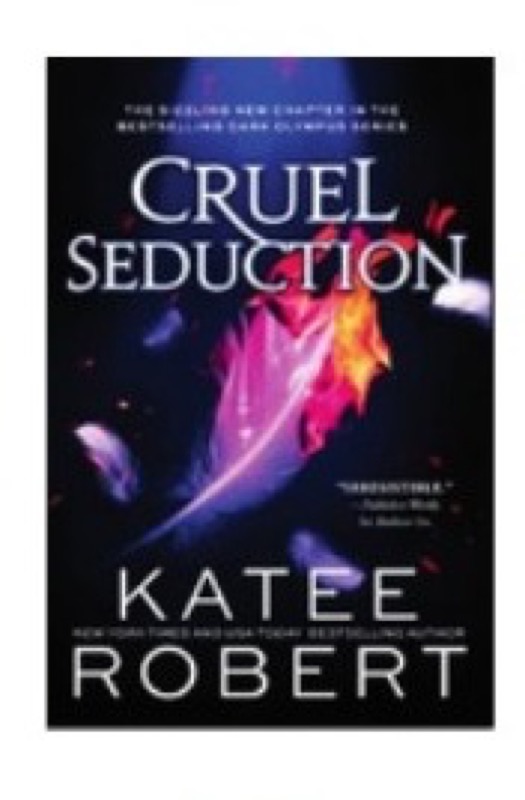
Cruel Seduction
Dark Olympus
Hook & thesis
Katee Robert’s Cruel Seduction delves into the dark heart of desire, weaving a narrative that exposes the complexities of power and obsession within a mythological framework. Verdict: This book seduces its readers into questioning the fine line between romance and manipulation, highlighting the depths of human longing and the shadows it casts.
The contextual pivot
As a part of the burgeoning dark romance subgenre, Cruel Seduction sits comfortably within the atmosphere of Dark Olympus, a contemporary reimagining of Greek mythology that explores themes of power dynamics and forbidden love. Robert’s work extends the realm of fantasy-romance, merging niche tropes with accessible storytelling that appeals to both genre enthusiasts and general readers. The interplay of obsession and seduction here resonates with the likes of Jennifer L. Armentrout and Sarah J. Maas, offering readers a tantalizing exploration of darker themes often glossed over in mainstream romance.
Deep-dive critique
Structurally, Robert employs a first-person point of view that immerses the reader in the protagonist’s psyche, allowing for an intimate exploration of her desires and insecurities. This perspective pulls the reader deeper into the emotional turmoil, enhancing the tension that arises from the power imbalance central to the narrative. The pacing is deliberate; moments of simmering tension are interspersed with bursts of action, reflecting the chaotic nature of the characters’ relationships.
The prose is both lush and sharp, effectively conveying the visceral aspects of desire while maintaining an undercurrent of danger. Robert’s dialogue crackles with intensity, showcasing the characters’ motivations and vulnerabilities without losing the tension that permeates their interactions. World-building is richly detailed, with a contemporary twist on familiar mythological figures that grounds the fantastical elements, making the narrative feel both otherworldly and relatable.
However, certain mechanical flaws emerge, particularly in the portrayal of consent, which swings between consensual and dubious territory. This aspect may alienate some readers, as it raises significant ethical questions about the nature of obsession and power within relationships. The ending, though climactic, can feel rushed—a culmination that leaves some thematic threads tantalizingly unresolved. Yet, this ambiguity may serve to reinforce the overarching tension between love and obsession.
Discussion launchpad
Robert’s exploration of desire raises polarizing questions around consent and power dynamics in relationships. The allure of the dark romance genre often lies in its ability to confront uncomfortable truths, but it risks glorifying toxic behaviors that warrant critical examination.
Questions for the room:
- How does the portrayal of obsession in this narrative challenge or reinforce societal norms about relationships?
- What are the implications of the characters’ power dynamics, and how do they resonate with contemporary discussions about consent?
- Is the ending of the book satisfying, or does it leave too much unresolved?
- How does this retelling of mythology influence our understanding of the original tales, particularly around themes of desire and manipulation?
- Can we separate the romantic elements from their darker implications, and should we?
#TheOrchidRoom #fantasyromance #darkromance #darkolympus #literaryanalysis