
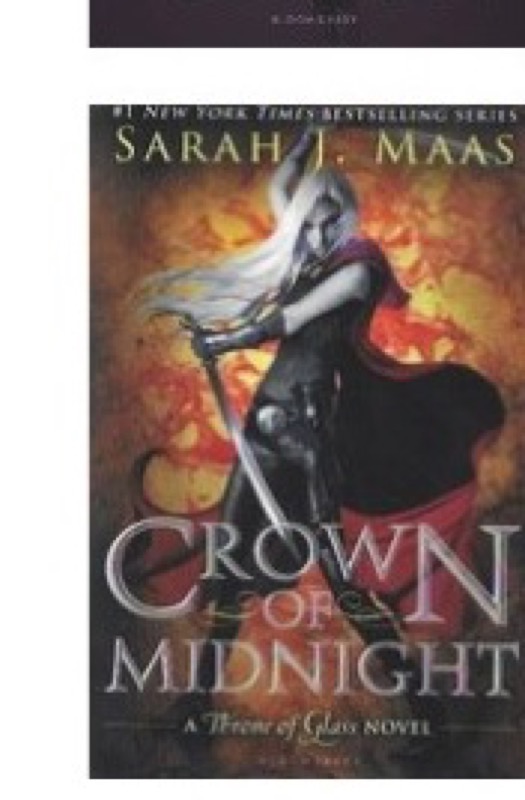
Crown of Midnight
A Throne of Glass Novel
Hook & thesis
In Crown of Midnight, Sarah J. Maas deftly entwines themes of loyalty and betrayal within a tapestry of dark fantasy, crafting a narrative that grips the reader’s heart with a seductive, yet dangerous allure. Verdict: This book is a masterclass in exploring the complexities of power and desire, where every choice echoes with consequences that resonate deep within the soul.
The contextual pivot
Situated within the burgeoning sub-genre of fantasy-romance, Crown of Midnight stands as a pivotal installment in the Throne of Glass series, bridging the chasm between niche storytelling and a broader audience. Maas’s work often blurs the lines between the heroic and the morally ambiguous, a hallmark of her style that echoes through the works of other authors like Holly Black and Jennifer L. Armentrout. The invisible audience here is both the young adult demographic and adult readers seeking an emotional and thrilling escape, with Maas’s ability to weave intricate plots making her stories accessible yet layered.
Deep-dive critique
Maas employs a dual narrative structure, allowing readers to experience events from both the protagonist, Celaena Sardothien’s, perspective and the wider world around her. This pacing contributes to a sense of urgency, particularly as Celaena navigates her role as an assassin entangled in royal politics, a narrative choice that amplifies the stakes. The juxtaposition of her internal struggles against external threats serves to heighten the tension, a testament to Maas’s skill in character development.
The prose is lush and evocative, often imbuing scenes with a palpable heat — whether it be in the context of burgeoning romance or the violence that underpins the world they inhabit. However, at times, the dialogue can veer into melodrama, eliciting eye rolls rather than the intended emotional engagement. The world-building is rich, layered with secrets and magic that evoke a sense of wonder, yet can occasionally feel overwhelming in its intricacies, risking reader disorientation.
The thematic exploration of grief and betrayal is particularly poignant; Maas doesn’t shy away from the impact of loss on her characters, making their journeys resonate on a deeper emotional level. The ending, fraught with tension, is both surprising and earned, leaving readers eager for the next chapter while reflecting on the choices made.
Discussion launchpad
- Crown of Midnight engages with the polarities of heroism and villainy, challenging readers to reconsider their allegiances and the nature of justice in a world rife with moral ambiguity.
Questions for the room:
- How does Maas’s portrayal of female agency challenge or conform to traditional fantasy tropes?
- In what ways does the duality of Celaena’s character reflect broader themes of identity and self-acceptance?
- Does the romantic subplot enhance or detract from the central narrative of power struggles?
- How do the content warnings shape our understanding of the characters’ journeys?
- What are the implications of betrayal as a recurring theme within the novel’s broader narrative arc?
#TheOrchidRoom #fantasyromance #darkromance #literaryanalysis #CrownOfMidnight