
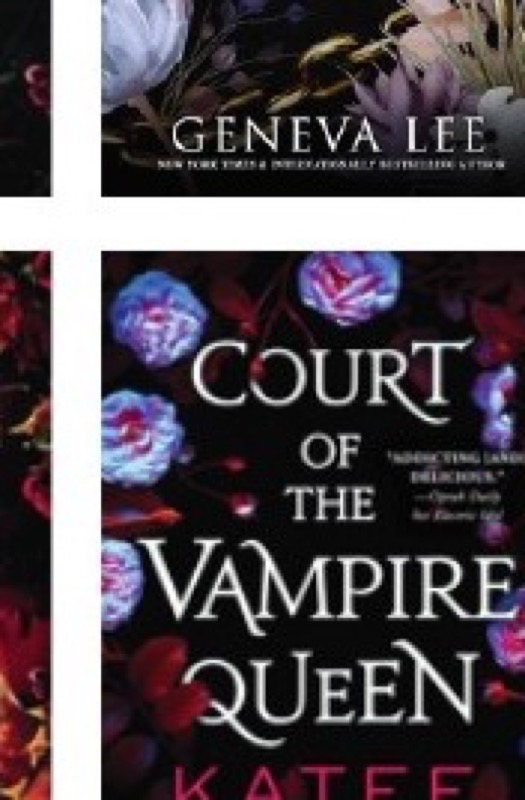
Court of the Vampire Queen
Hook & thesis
In Court of the Vampire Queen, Katee Robert plunges readers into a world where the boundaries of desire, power, and mortality blur, driven by the intense yearning for autonomy amidst oppressive forces. Verdict: This novel is a daring exploration of the darker facets of passion and control, weaving a tapestry of blood and lust that demands introspection.
The contextual pivot
Situated firmly within the vampire-paranormal genre, Robert’s work straddles the line between dark romance and supernatural horror, an intersection where few authors have tread with such audacity. Unlike traditional vampire narratives that often romanticize immortality, Robert confronts the raw implications of power dynamics and consent, echoing themes found in works by authors such as Anne Rice and more contemporary voices like Sarah J. Maas. Robert’s narrative caters to an audience that craves both the thrill of the gothic and the complexities of emotional entanglements, making her work accessible to both devoted fans of the genre and newcomers drawn by its provocative themes.
Deep-dive critique
The novel’s structure is particularly noteworthy; it oscillates between moments of intense action and quieter, contemplative passages, serving to heighten the emotional stakes. Robert employs a limited third-person perspective that allows readers to delve deeply into the protagonist’s psyche, revealing her internal conflicts and desires. This duality of pacing not only adds to the tension but also crafts a compelling dichotomy between vulnerability and power.
The prose is lush and evocative, immersing readers in a world rife with sensory details — the taste of blood, the scent of danger. Robert excels in character development, particularly in portraying the complexities of the relationships within the vampire court, where alliances are as fragile as they are intoxicating. However, the dialogue occasionally veers into melodrama, which could distract from the emotional depth the narrative seeks to convey.
Thematically, Robert’s exploration of consent and autonomy is both timely and essential, challenging the reader to consider the implications of desire when intertwined with power. The ending, though explosive, may leave some readers feeling ambivalent; it raises questions about the cost of freedom and the price of love in a world steeped in darkness, ultimately earning a complex resolution that invites reflection rather than offering closure.
Discussion launchpad
The novel’s embrace of dark themes and emotional intensity is sure to spark debate, particularly around the ethical implications of its portrayal of power dynamics in relationships.
Questions for the room:
- How does the portrayal of consent in Court of the Vampire Queen challenge or reinforce traditional narratives in vampire literature?
- Do you find the balance between romance and horror effective, or does it lean too heavily towards one?
- In what ways does the character development impact your view of the protagonist’s journey?
- How does the ending shape your understanding of the characters’ arcs and the overall message of the novel?
- What personal biases might affect our interpretations of the power dynamics presented in the story?
#TheOrchidRoom #vampire #darkromance #literaryanalysis #darkheartlabs