
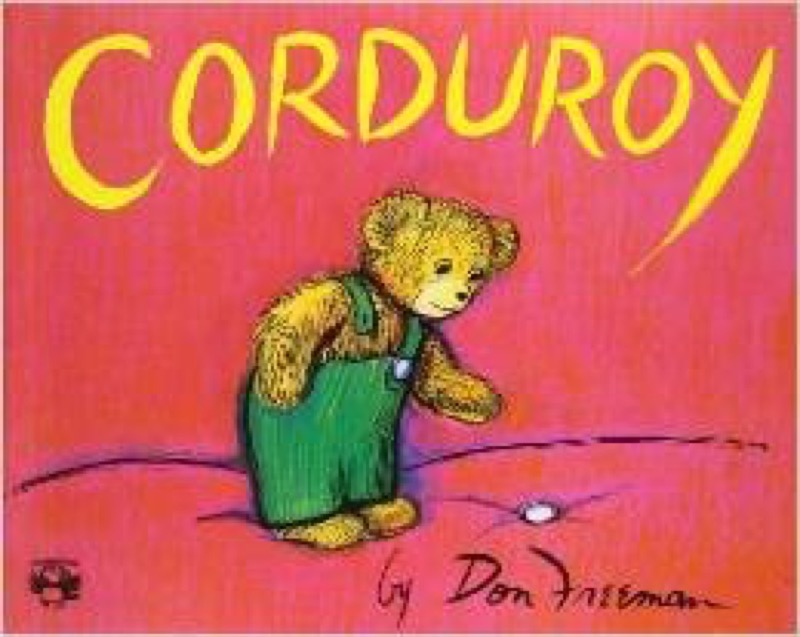
Corduroy
Hook & thesis
In Don Freeman’s “Corduroy,” the innocent quest of a teddy bear for belonging unfolds in a world imbued with both whimsical charm and understated poignancy. Verdict: The true engine of this narrative is the deep-seated human desire for connection, making it a haunting exploration of what it means to be truly seen.
The contextual pivot
“Corduroy” occupies a unique niche in the children’s literature genre, transcending the boundaries of simple storytelling to delve into gothic elements that evoke deep emotional resonance. Freeman’s work stands alongside the likes of Maurice Sendak and Chris Van Allsburg, both of whom similarly evoke a sense of longing and adventure in their characters. The invisible audience here is not just children but also adults grappling with their own nostalgic memories of companionship and acceptance, bridging the gap between niche tropes and a wider readership.
Deep-dive critique
Freeman’s careful structuring of the narrative—a linear progression interspersed with moments of introspection—serves to enhance the thematic depth of the story. The pacing allows for a gradual build-up of emotional tension, as Corduroy’s journey becomes a metaphor for the universal search for love and belonging. The dialogue, though sparse, is poignant, especially in the exchanges between Corduroy and the little girl, which are laced with gentle yearning. The world-building of the department store is effectively crafted, evoking both wonder and a hint of melancholy, reminiscent of gothic settings where the familiar becomes eerily enchanting. However, the story’s simplicity may leave some readers yearning for a more complex exploration of its themes, raising questions about the balance between childlike innocence and the darker undertones of desire and rejection. The ending, while heartwarming, feels somewhat convenient, inviting critical reflection on whether it is truly earned.
Discussion launchpad
Freeman’s tale walks a fine line between whimsy and melancholy, provoking thoughts on the nature of belonging versus the fear of abandonment. The juxtaposition of a child’s innocence with the underlying emotional currents could divide opinions on the book’s intent and execution.
Questions for the room:
- How does the portrayal of Corduroy’s journey reflect adult themes of loneliness and desire?
- In what ways does the setting enhance or detract from the emotional stakes of the story?
- Can a children’s book effectively engage with themes of gothic horror, or does it risk losing its young audience?
- How do the illustrations contribute to or complicate the narrative’s emotional depth?
- What aspects of the narrative might resonate differently with adult readers compared to children?
#TheOrchidRoom #gothic #horrorromance #children’sliterature #classic