
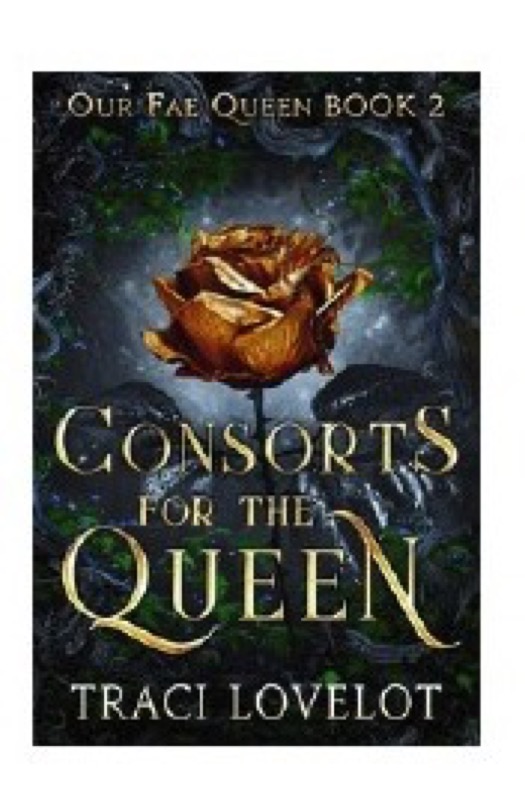
Consorts for the Queen
Our Fae Queen — Book 2
Hook & thesis
In Consorts for the Queen, Traci Lovelot artfully unfurls a tapestry of desire and political intrigue within a realm where power plays are as seductive as the characters themselves. Verdict: This novel deftly intertwines romance and dark fantasy, crafting a narrative that pulses with emotional intensity and a sense of peril that lingers long after the last page.
The contextual pivot
This book occupies a fascinating niche in the fantasy-romance genre, particularly as a sequel in Lovelot’s Our Fae Queen series. Lovelot’s work often explores the complexities of relationships amidst the backdrop of fae politics, and here, she delves even deeper into the intertwining of love, loyalty, and ambition. The audience is likely composed of readers familiar with subversive takes on traditional romance tropes, yet Lovelot bridges these niche elements to attract broader readers who relish tales of court intrigue and dark magic. By embedding polyamorous dynamics within a framework of political maneuvering, the book challenges conventional romantic structures, beckoning a diverse readership to engage with its themes.
Deep-dive critique
Lovelot expertly balances pacing and emotional tension, allowing the stakes to rise organically as the narrative unfolds. The dual perspectives of the queen and her consorts provide a rich tapestry of voices, each revealing layers of desire and conflict that propel the story forward. The character development is particularly notable; the protagonist grapples with power imbalances, navigating both personal desires and the demands of her realm. Lovelot’s prose is lush and evocative, enhancing the gothic atmosphere that permeates the narrative. The dialogue crackles with subtext, infusing interactions with an undercurrent of tension that heightens the romantic stakes.
However, the thematic exploration of captivity and dark magic occasionally teeters on the edge of discomfort, raising questions about ethical boundaries in relationships portrayed within the fae realm. The ending, while satisfying in its resolution of key character arcs, leaves some narrative threads tantalizingly unresolved, inviting readers to ponder the implications of choice and freedom in a world driven by darker forces. Overall, the structural choices serve to heighten the stakes, though certain pacing moments may provoke mixed feelings about the balance of plot progression versus character exploration.
Discussion launchpad
The novel’s blend of romance and dark themes is likely to ignite passionate discussion among club members. How do power dynamics within relationships shape our understanding of consent and choice, especially in a fantasy context? Furthermore, the depiction of polyamory within a framework of fae politics raises questions about representation and complexity in modern romance.
Questions for the room:
- What are the ethical implications of the power imbalances depicted in the relationships?
- How does Lovelot’s portrayal of dark magic inform our understanding of desire and control?
- In what ways does the narrative challenge or reinforce traditional romance tropes?
- How effective is the dual perspective in enhancing the emotional stakes of the plot?
- What unresolved questions linger for you after reading?
#TheOrchidRoom #fantasyromance #romantasy #darkromance #fae