
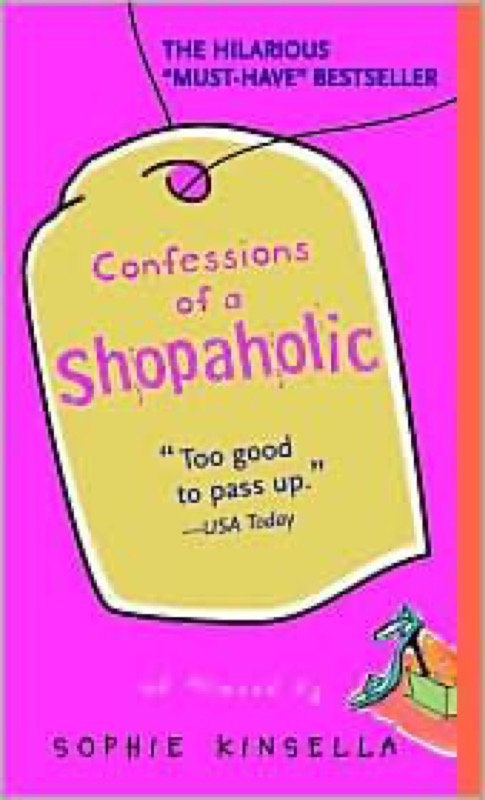
Confessions of a Shopaholic (Shopaholic, #1)
Shopaholic Series Book 1
Hook & thesis
In Confessions of a Shopaholic, Sophie Kinsella crafts a satirical yet deeply unsettling exploration of consumerism and addiction, revealing the darker undercurrents of a seemingly light-hearted narrative. Verdict: Beneath the humor lies a tragic portrait of escapism that skirts the line between comedy and chaos, leaving readers questioning the cost of frivolity.
The contextual pivot
Positioned within the contemporary fiction landscape, Kinsella’s work resonates with the pressures of modern society, akin to the moral quandaries posed by authors like Bret Easton Ellis or even the biting humor of Helen Fielding’s Bridget Jones’s Diary. This book serves as a cautionary tale for an audience that often prioritizes materialism over emotional well-being. Though marketed towards a general readership with its comedic flair, it subtly engages those familiar with darker themes of addiction, creating a bridge between niche tropes and broader societal critiques.
Deep-dive critique
Kinsella’s structure, which employs a first-person narrative, offers an intimate glimpse into the psyche of Rebecca Bloomwood, the protagonist whose compulsive shopping habits spiral into chaos. The pacing cleverly mirrors Rebecca’s frantic lifestyle — moments of levity are often punctuated by the weight of her growing debt, creating a rhythm that feels both frenetic and suffocating. This duality serves the central thesis effectively; however, the prose occasionally falters with clichéd humor that undercuts the gravity of her situation.
Character development is one of the novel’s strong points; Rebecca is multi-dimensional, embodying both relatable flaws and an alarming disregard for the consequences of her actions. Dialogues are peppered with wit, yet the comedic undertones can obscure the sobering realities of her addiction. Kinsella’s world-building, while vibrant and filled with consumerist detail, presents an unsettling backdrop that invites the reader to question the societal values that normalize such behavior. The ending, which offers a semblance of resolution, feels somewhat unearned, as it glosses over the lasting ramifications of Rebecca’s choices, leaving the reader in a state of unresolved tension.
Discussion launchpad
This text challenges readers to confront the societal implications of consumerism masked by lightheartedness. Key polarities might include whether humor can successfully address serious topics without trivializing them.
Questions for the room:
- Does Kinsella effectively balance humor with the seriousness of addiction, or does it undermine the narrative?
- How does the portrayal of shopping addiction compare to other forms of addiction in literature?
- What moral responsibilities do authors have when depicting issues like consumerism?
- Is Rebecca a sympathetic character, or does she evoke frustration?
- Can the commentary on consumer culture resonate with contemporary readers, and how does it reflect current societal trends?
#LiteraryAnalysis #GothicEdge #TheOrchidRoom #darkthriller #shoppingaddiction