
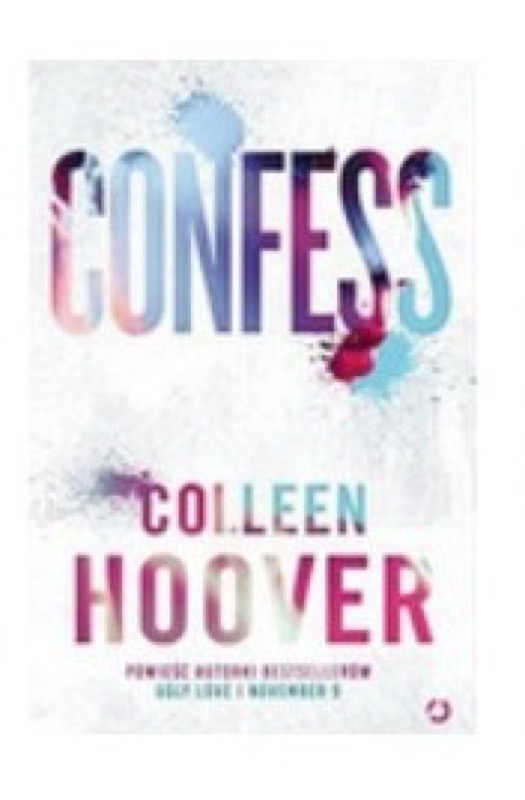
Confess
Hook & thesis
In Colleen Hoover’s Confess, the intricate dance of desire and secrecy unfolds within the confines of a forbidden romance, revealing the haunting impact of grief and trauma on human connections. Verdict: Hoover deftly navigates the complexities of love marred by past traumas, crafting a narrative that is both poignant and unsettling.
The contextual pivot
Confess exists at the intersection of contemporary romance and dark romance, a niche where emotional depth meets the stark realities of human suffering. Hoover, known for her ability to weave raw emotion into her narratives, offers a palette rich with color and shadow in this exploration of love hindered by secrets. This book appeals to an audience that craves intense, character-driven stories, yet it successfully bridges the gap to general readers by embedding universal themes of loss and redemption within its pages. In particular, it resonates with fans of authors like Anna Todd and Tarryn Fisher, who also delve into the messiness of love intertwined with darkness.
Deep-dive critique
Hoover’s structural choices enhance the thematic weight of Confess. The dual perspective of the protagonist and the love interest allows readers to explore the inner turmoil that shapes their decisions, effectively drawing them into the emotional chaos. This shifting POV creates a rhythmic tension that propels the narrative, utilizing short, punchy chapters to evoke the rapid heartbeat of desire and fear. However, while the pacing initially grips, it occasionally stumbles into predictability, especially in the latter half where some character arcs feel rushed.
The prose, while accessible, occasionally teeters into melodrama, particularly when addressing grief and trauma. Some dialogues resonate with authenticity, capturing the rawness of emotional exchanges, yet others can feel contrived, undermining the weight of the characters’ experiences. The world-building, anchored in the art scene, serves as a vibrant backdrop to the story, yet risks overshadowing character development at times. The setting of the art studio, rife with confessions and intricate paintings, serves as a metaphor for both connection and isolation, reflecting the characters’ tumultuous inner lives.
The climax, marked by revelations and confrontations, feels both earned and emotionally charged, though some readers may find the resolution to be overly neat, lacking the lingering ambiguity that often defines true love stories marred by darkness. Ultimately, the thematic exploration of how past traumas shape present desires is where Hoover excels, leaving readers to ponder the fine line between love and obsession.
Discussion launchpad
The complexities of Confess invite rich discussion around the nature of love and its entanglements with grief and trauma. The polarizing themes of morality in relationships and the portrayal of mental health issues can spark diverse interpretations.
Questions for the room:
- How do the characters’ past traumas influence their ability to form healthy relationships?
- In what ways does the art setting amplify or detract from the emotional stakes of the story?
- Do you find the resolution satisfying, or does it undermine the darker elements introduced earlier in the narrative?
- How does Hoover’s portrayal of grief compare to that of other contemporary authors?
- What ethical considerations arise from the characters’ decisions and their consequences in the story?
#TheOrchidRoom #forbiddenlove #darkromance #contemporaryromance #literaryanalysis