
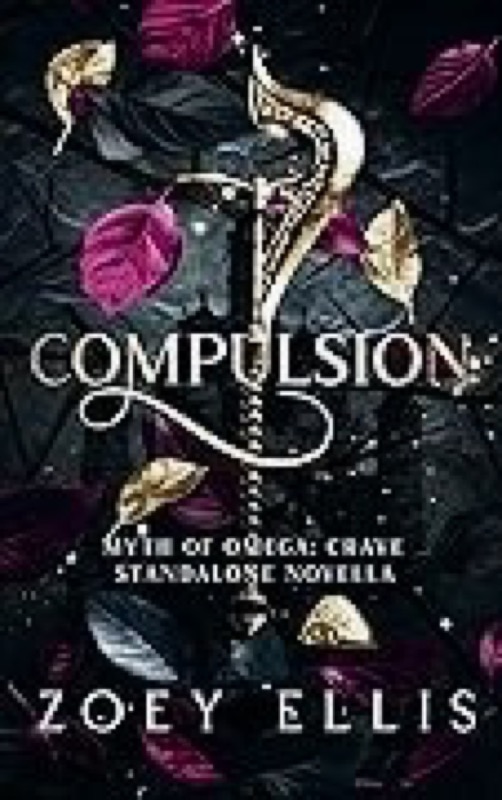
Compulsion
Myth of Omega: Crave Standalone Novella
Hook & thesis
Verdict: Compulsion is a darkly seductive exploration of desire and domination that grips the reader with its intoxicating mix of obsession and vulnerability. Zoey Ellis distills the chaotic fervor of human connection into a tense, claustrophobic dance between power and surrender, ultimately revealing the profound complexities of consent and longing beneath the surface of a trope-laden narrative.
The contextual pivot
This novella occupies a well-trodden yet provocative space within the omegaverse subgenre, a niche pulsating with themes of hierarchy, desire, and the rawness of instinctual attraction. Ellis, known for her ability to weave intricate emotional landscapes, embraces the familiar tropes of alpha, beta, and omega dynamics, yet she deftly pulls them into a contemporary light that resonates with both die-hard fans and those new to the intricacies of this mythos. The invisible audience here spans from seasoned readers seeking the thrill of the forbidden to curious onlookers captivated by the intensity of primal relationships. Ellis bridges the gap between specificity of omegaverse conventions and a broader exploration of power dynamics that can appeal to general romance enthusiasts.
Deep-dive critique
Ellis’s craft shines through in her skillful manipulation of pacing and perspective. The novella’s structure, containing alternating points of view, enhances the reader’s connection to the characters’ emotional turmoil, capturing the essence of their chaotic desires. The juxtaposition of the protagonists’ inner thoughts against their external actions creates an internal conflict that mirrors the overarching themes of obsession and captivity. Ellis’s prose, while at times excessively lush, immerses the reader in the sensory experience — every touch and glance becomes charged with meaning, suffused with an urgency that propels the narrative forward.
However, the thematic exploration of consent, especially in the context of power imbalance and dubcon elements, may leave some readers grappling with discomfort. The portrayal of captivity and the inherent dangers of the “knotting” trope can evoke a visceral reaction, raising questions about the boundaries of desire and autonomy. The ending, while satisfying in its resolution of the characters’ arcs, walks a fine line — it is both earned and contentious, leaving room for an introspective examination of what it means to relinquish control and embrace vulnerability in the name of love.
Discussion launchpad
This novella’s polarizing elements, particularly its treatment of consent and power dynamics, will likely ignite spirited debate. How do readers reconcile the thrill of the dark romance with the ethical implications of the characters’ actions?
Questions for the room:
- How do the themes of captivity and obsession enhance or detract from the romantic elements of the story?
- In what ways does the alternating POV shape our understanding of consent within the narrative?
- What does Compulsion reveal about the nature of desire in the context of power imbalance?
- How does Ellis’s approach to the omegaverse challenge or reinforce existing stereotypes within the genre?
- What does the ending suggest about the characters’ journey toward mutual understanding and vulnerability?
#TheOrchidRoom #omegaverse #darkromance #fantasyromance #literaryanalysis