
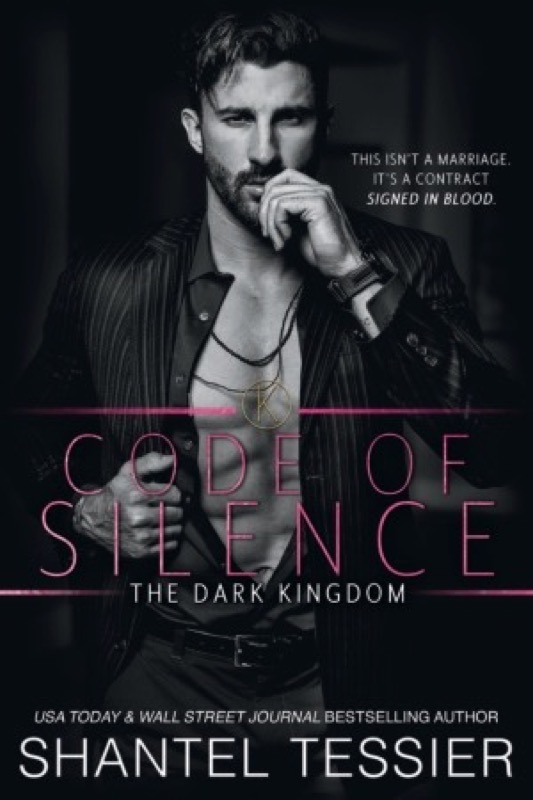
Code of Silence
This isn't a marriage. It's a contract signed in blood.
Hook & thesis
In Shantel Tessier’s Code of Silence, the visceral tension of an arranged marriage within the dark underbelly of organized crime reveals the profound complexities of desire, control, and identity. Verdict: This book is a daring exploration of the human psyche’s shadows, provoking readers to confront the lines between love and possession.
The contextual pivot
Nestled firmly within the dark romance genre, Code of Silence offers a fresh yet familiar landscape to those acquainted with Tessier’s body of work. The narrative grapples with themes of obsession and the blurred lines of consent, appealing to an audience drawn to the thrilling, darker aspects of love and loyalty. While its tropes—including the contract marriage and elements of organized crime—may seem niche, the emotional stakes and character dynamics elevate the story beyond mere genre conventions, inviting general readers to engage with its deeper moral quandaries.
Deep-dive critique
Tessier’s craft excels particularly in her use of dual perspectives, allowing readers to traverse the tumultuous inner landscapes of both main characters. This shifting point of view not only deepens our understanding of their motivations but also heightens the narrative tension, as secrets and vulnerabilities intertwine. The pacing, however, occasionally falters; certain scenes linger too long in the throes of emotional turmoil, which may induce fatigue rather than suspense.
The prose is evocative and charged, with Tessier’s mastery of imagery bringing to life the gothic undertones of her world—each setting draped in shadows, amplifying the ominous atmosphere of organized crime. However, dialogue can at times veer into melodrama, diluting the authenticity of character voices.
The thematic exploration of obsession is deftly woven throughout, challenging the reader to grapple with the implications of love intertwined with violence. The ending, while audacious, raises questions about whether it is truly earned, as the culmination of events feels both inevitable and, paradoxically, somewhat abrupt. The resolution teeters on the edge of fantasy, leaving room for reflection on the nature of freedom within bondage.
Discussion launchpad
While Code of Silence offers a gripping narrative, it also presents polarities that could ignite a fervent debate among readers. The interplay of desire and control, along with the moral complexities surrounding the characters’ choices, invites scrutiny and differing opinions.
Questions for the room:
- Does the depiction of obsession elevate the narrative, or does it risk glorifying unhealthy dynamics?
- How effectively does the dual perspective enhance our understanding of consent within the storyline?
- In what ways does the book challenge or reinforce traditional tropes associated with arranged marriages?
- Is the ending a satisfying culmination of character arcs, or does it lean too heavily into fantasy?
- How do the content warnings shape your reading experience and interpretation of the narrative?
#TheOrchidRoom #arrangedmarriage #darkromance #mafia #contractmarriage