
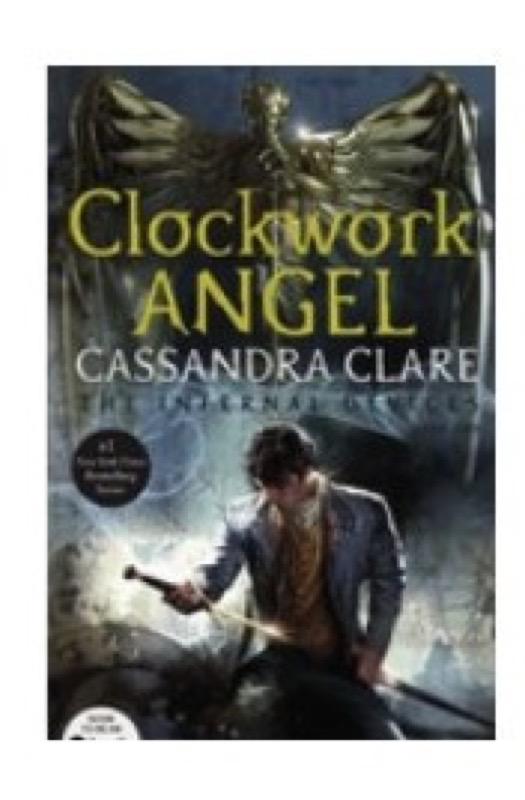
Clockwork Angel
The Infernal Devices — Book One
Hook & thesis
Cassandra Clare’s Clockwork Angel deftly entwines the realms of fantasy and romance within a richly imagined steampunk Victorian backdrop, propelling a narrative that explores the complexities of desire and the haunting shadows of the past. Verdict: Clare’s masterful blend of gothic elements and emotional depth ultimately crafts a tale that resonates far beyond its genre confines, illuminating the power of choice in the face of destiny.
The contextual pivot
Situated within the burgeoning subgenre of steampunk fantasy, Clockwork Angel serves as the inaugural entry in The Infernal Devices trilogy, a prequel to Clare’s earlier The Mortal Instruments series. This novel bridges the niche allure of Victorian aesthetics and supernatural lore to a broader audience, inviting readers who may not typically gravitate towards fantasy to engage with its intricate world-building and relatable characters. Clare’s adeptness at intertwining romance with broader themes of identity and belonging resonates with her established fanbase while appealing to newcomers drawn to the darker, more romantic shades of the genre.
Deep-dive critique
The novel’s structure, alternating between third-person perspectives, allows for a multifaceted exploration of its characters’ inner desires and conflicts, particularly Tessa Gray’s journey of self-discovery. Clare’s pacing is deliberate, drawing readers into a labyrinth of intrigue and emotional stakes, though at times it risks meandering into excessive exposition. The lyrical quality of her prose often shines in moments of tension, particularly during interactions between Tessa and her suitors, Will and Jem, where the dialogue crackles with unvoiced longing and the weight of unfulfilled potential.
Character development is where Clare excels; Tessa’s evolution from a passive heroine to one imbued with agency is compellingly rendered. The juxtaposition of her burgeoning powers against the backdrop of societal constraints enhances both her personal narrative and the overarching themes of freedom versus control. However, some secondary characters remain underdeveloped, serving more as archetypal figures than fully realized individuals, which can dilute the narrative’s impact.
The thematic exploration of sacrifice and loyalty intricately weaves through the plot, particularly within the context of the looming war against supernatural forces. The ending, while dramatic and laden with emotional weight, may feel rushed to some readers, leaving certain plot threads tantalizingly unresolved, inviting speculation about future installments.
Discussion launchpad
Clockwork Angel thrives on the interplay of desire and duty, yet it presents polarizing elements that may ignite debates amongst readers. The dichotomy of Tessa’s character — both a beacon of strength and a reflection of societal limitations — may prompt discussions on gender roles within fantasy literature.
Questions for the room:
- How does Clare’s portrayal of romance reflect or challenge traditional genre tropes?
- In what ways does the steampunk setting enhance or detract from the emotional stakes of the story?
- Do you find Tessa’s character arc satisfying, or does it fall into familiar patterns of the genre?
- How effectively does the novel balance its supernatural elements with the character-driven narrative?
#TheOrchidRoom #fantasyromance #darkromance #steampunk #literaryanalysis