
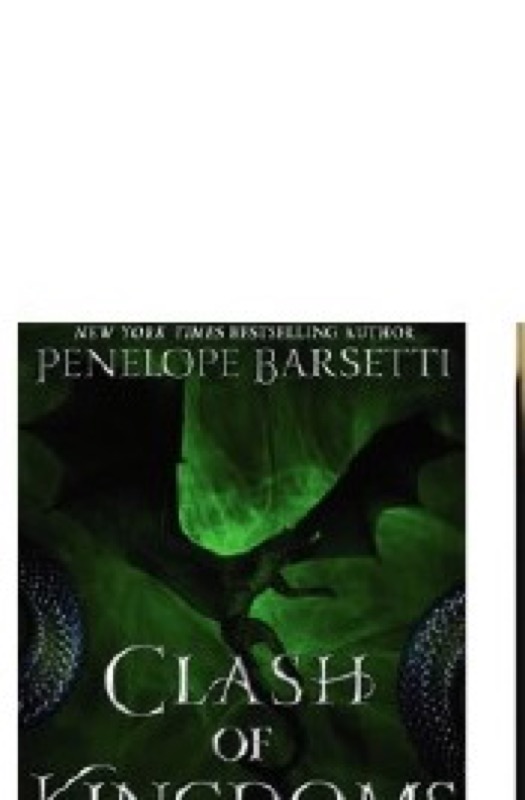
Clash of Kingdoms
Hook & thesis
In Penelope Barsetti’s Clash of Kingdoms, the fierce battle between desire and duty unfolds against a richly crafted fantasy backdrop. Verdict: This novel skillfully intertwines the raw intensity of romantic yearning with the stark realities of power, creating a narrative that grips the reader’s heart while exploring the darker crevices of human ambition.
The contextual pivot
Clash of Kingdoms positions itself firmly within the fantasy-romance genre, a space where soaring magic meets the tumult of human relationships. Barsetti’s work brings to mind the lush worlds of authors like Sarah J. Maas, yet it diverges in its exploration of darker themes of emotional intensity and moral ambiguity. The book’s audience may find resonance with fans of both fantasy and romance, bridging niche tropes into something that appeals to a broader readership seeking complexity in their narratives. This novel does not shy away from the intricacies of emotional turmoil, making it a captivating read for those drawn to the more tumultuous aspects of love.
Deep-dive critique
Barsetti’s structure is commendable, employing multiple points of view that allow the reader to step into the minds of characters embroiled in their own conflicts of loyalty and desire. This technique heightens the emotional stakes, particularly as the timelines intertwine, drawing readers deeper into the consequences of each character’s choices. The pacing, especially in the latter half, skillfully escalates tension, making the eventual confrontations feel not just inevitable but deeply earned.
The prose is both lyrical and visceral, striking a balance that enhances the novel’s gothic romance elements. Barsetti crafts dialogue that is packed with subtext, allowing characters to communicate their fierce desires and hidden fears without overt exposition. For instance, a simple exchange at a royal banquet reveals more than mere pleasantries; it exposes the fractures in alliances and the simmering passions underneath.
However, the novel isn’t without its flaws. At times, the emotional intensity can verge on overwhelming, potentially alienating readers who prefer more restrained narratives. Certain character arcs, while compelling, could benefit from deeper development to avoid feeling somewhat archetypal within the genre. The ending, while dramatic and satisfying, raises questions about the long-term implications of the characters’ decisions, leaving some threads tantalizingly unresolved.
Discussion launchpad
The exploration of power dynamics and emotional intensity creates a fertile ground for discussion. How do Barsetti’s choices in character development serve the themes of desire and ambition? In what ways does the novel challenge or reinforce typical fantasy-romance tropes?
Questions for the room:
- What did you think of the multiple POV structure? Did it enhance or detract from your connection to the characters?
- How do the themes of duty versus desire resonate with contemporary social dynamics?
- Do you believe the darker elements of the narrative serve the romance, or do they overshadow it?
- What character’s journey felt the most compelling to you, and why?
- How effectively does the ending resolve or complicate the central themes?
#TheOrchidRoom #fantasyromance #romantasy #darkromance #literaryanalysis