
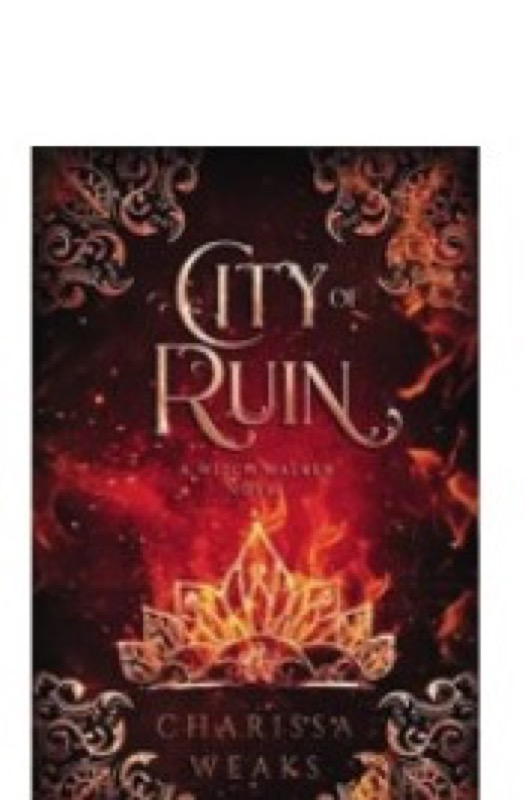
City of Ruin
A Witch Walker Novel
Hook & thesis
In City of Ruin, Charissa Weaks deftly intertwines the allure of dark magic with the complexities of love against a backdrop of desolation. At the heart of this narrative lies a profound exploration of sacrifice and the moral ambiguity in pursuit of desire. Verdict: Weaks crafts a hauntingly beautiful tale that challenges the reader to consider what they are willing to lose in the name of love.
The contextual pivot
Positioned within the fantasy-romance genre, City of Ruin stands out through its amalgamation of gothic elements and romantic tension, reminiscent of authors like Sarah J. Maas and Holly Black. Weaks delves into the darker corners of magic and relationships, appealing to an audience that craves depth beyond the conventional love story. The book balances niche tropes, such as witchcraft and forbidden love, with broader themes of resilience and redemption, allowing it to resonate with both devoted fans of romantic fantasy and those seeking a more nuanced narrative.
Deep-dive critique
Weaks employs a dual narrative structure that alternates between perspectives, which enriches the emotional landscape while creating a sense of urgency as the protagonists navigate their intertwined fates. The pacing, however, can feel uneven; moments of introspective dialogue contrast sharply with action-driven scenes, occasionally disrupting the flow and leaving the reader momentarily disoriented.
The prose is lush and evocative, effectively building a world steeped in decay and danger. Descriptive passages of the city’s ruin are paired with visceral imagery of magical encounters, immersing the reader in a landscape where beauty and horror coexist. Character development shines, particularly in the protagonist’s evolving relationship with dark magic, which serves as a metaphor for the duality of love—both a source of strength and potential destruction.
Dialogues are rich with subtext, revealing the characters’ fears and desires without overt exposition. However, the reliance on certain clichés, particularly in romantic tension, may dilute the unique voice of the narrative, leaving readers wanting more originality in character dynamics. The ending, while climactic, raises questions about the true cost of the characters’ choices, inviting reflection on whether the resolution feels genuinely earned or merely a convenient plot device.
Discussion launchpad
The juxtaposition of love and moral compromise creates a fertile ground for debate. Weaks’ exploration of dark themes invites scrutiny—does the portrayal of magic as inherently dangerous undermine the romantic aspects of the story?
Questions for the room:
- How does the dual narrative structure affect your connection to the characters?
- In what ways does the depiction of dark magic challenge or reinforce traditional romance tropes?
- Does the ending resonate as a satisfying conclusion, or does it feel like a retreat from the complexities presented throughout the novel?
- How do Weaks’ characterizations reflect or subvert expectations within the fantasy-romance genre?
- What role does the setting play in shaping the emotional stakes of the narrative?
#TheOrchidRoom #fantasyromance #darkromance #witchwalker #literaryanalysis