
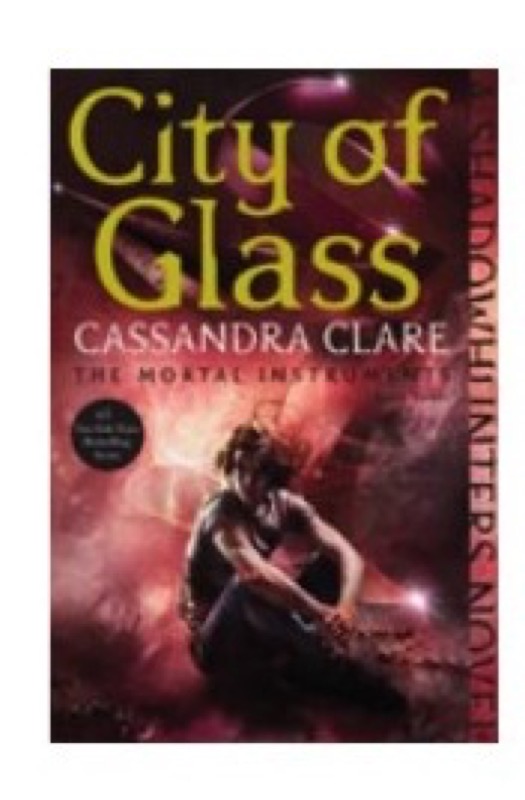
City of Glass
The Mortal Instruments — Book Three
Hook & thesis
Cassandra Clare’s City of Glass plunges readers into a world where the boundaries between love and duty blur, revealing the stark realities of sacrifice and identity. Verdict: This installment is a masterclass in weaving romantic tension with a quest for self, ultimately challenging the characters’ loyalties amid a backdrop of war.
The contextual pivot
Positioned as the third book in The Mortal Instruments series, City of Glass stands at a crossroads of urban fantasy and young adult literature, drawing from both the richly imagined lore of high fantasy and the emotional tumult of adolescent experience. Clare’s work often transcends genre conventions, appealing to both dedicated fans of supernatural tales and mainstream readers seeking complex emotional landscapes. The book’s exploration of familial ties and forbidden love resonates with its invisible audience—those who cherish stories about the weight of heritage and the hunger for belonging amidst chaos.
Deep-dive critique
The structure of City of Glass is meticulously crafted, employing a dual narrative that juxtaposes Clary’s desperate search for identity against Jace’s internal battle between his feelings and familial obligations. Clare’s pacing is deliberate yet thrilling, catching readers in its web as they navigate the intricacies of the Shadowhunter world. Her prose sparkles with vivid descriptions, not just of the fantastical elements but also of the characters’ emotional landscapes, showcasing her strength in world-building. However, some dialogue falls flat, at times veering into cliché territory, which can detract from the otherwise potent atmosphere.
The thematic exploration of love as a weapon—both in the hands of the passionate and the powerful—serves as the book’s true engine. Clare does not shy away from the darker elements of desire, presenting a tapestry of relationships that are as fraught with tension as they are rich with longing. The ending, while satisfying, raises questions about the cost of love and the sacrifices necessary for peace, amplifying the series’ ongoing exploration of moral ambiguity and the gray areas of heroism.
Discussion launchpad
City of Glass is rife with polarities that could ignite debate among readers. The juxtaposition of romantic longing versus the harsh realities of war may provoke differing viewpoints. Furthermore, the portrayal of teenage protagonists in perilous situations raises questions about representation and responsibility in young adult literature.
Questions for the room:
- How do Clary and Jace’s struggles with identity reflect broader themes of adolescence in fantasy?
- In what ways does Clare balance romance and action without undermining either element?
- Are the risks taken by characters justified in the name of love, or do they cross ethical lines?
- Does the portrayal of violence enhance or detract from the emotional stakes of the narrative?
- How does this book compare to other entries in the urban fantasy genre regarding its handling of dark themes?
#TheOrchidRoom #fantasyromance #darkromance #urbanfantasy #shadowhunters