
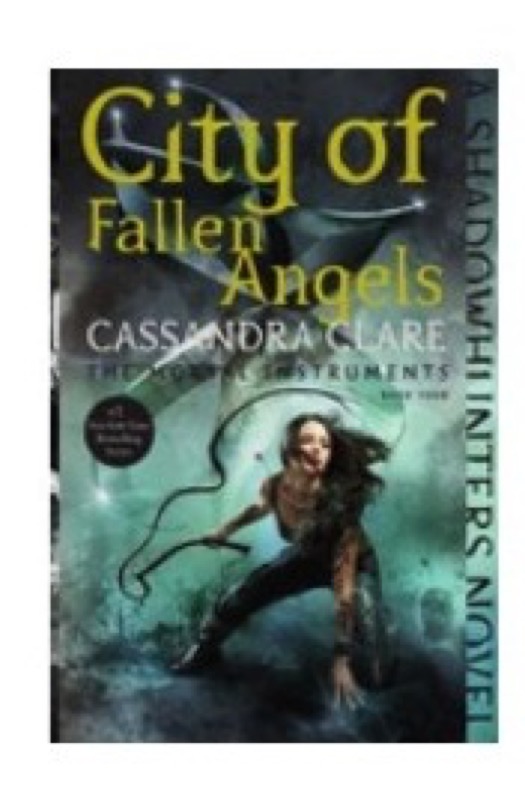
City of Fallen Angels
The Mortal Instruments — Book Four
Hook & thesis
In City of Fallen Angels, Cassandra Clare plunges her readers back into the chaotic world of the Shadowhunters, where love intertwines with danger in a dance that teeters on the edge of darkness. Clare’s primary objective is to explore the complexities of desire and the sacrifices it demands. Verdict: This installment deepens the emotional stakes, making it a pivotal entry in the series that brilliantly balances gothic allure with the turmoil of youthful passion.
The contextual pivot
As the fourth book in The Mortal Instruments series, City of Fallen Angels stands at the intersection of young adult fantasy and dark romance, a genre increasingly defined by its ability to resonate with both niche and mainstream audiences. Clare’s work has often been marked by its unique blend of urban fantasy elements, layered character dynamics, and the exploration of moral ambiguity. The invisible audience here is comprised of those who crave both fantasy escapism and the raw intensity of romantic conflict, making Clare a figure who bridges the gap between dedicated fans of genre fiction and new readers seeking richer narratives.
Deep-dive critique
Clare employs a dual narrative structure that intricately weaves the viewpoints of multiple characters, allowing for a multifaceted exploration of themes such as betrayal, redemption, and the burdens of love. This approach enhances the pacing, creating a rhythm that oscillates between tension and relief, though at times it risks overwhelming the reader with too many threads. The prose itself is evocative, laden with sensory detail that brings the supernatural elements to life, particularly in scenes that highlight the tension between the mundane and the magical. However, while the dialogue can sparkle with wit, certain exchanges feel repetitious, echoing tropes that might have benefitted from a fresh perspective. The world-building remains rich and immersive, yet it could delve deeper into the implications of the Shadowhunter society’s moral complexities, sometimes skimming the surface rather than engaging with the profound ethical dilemmas at stake. The ending, while dramatic, raises questions about the trajectory of its characters’ arcs — it feels both a culmination and a setup for further conflict, leaving readers in a liminal space that invites speculation but may frustrate those seeking resolution.
Discussion launchpad
Clare’s narrative choices provoke fascinating discussions around the portrayal of desire and its consequences. The moral ambiguity of her characters can polarize readers, particularly in how they navigate their relationships amid supernatural chaos.
Questions for the room:
- How does Clare’s exploration of desire challenge or reinforce traditional romantic tropes in young adult literature?
- In what ways does the dual narrative structure enhance or detract from the emotional impact of the story?
- Are Clare’s characters fully realized, or do they occasionally fall into archetypal roles?
- What ethical dilemmas in the Shadowhunter world resonate most with contemporary issues?
- How does the ending shape your expectations for the series moving forward, and is it satisfying in its own right?
#TheOrchidRoom #fantasyromance #darkromance #urbanfantasy #shadowhunters