
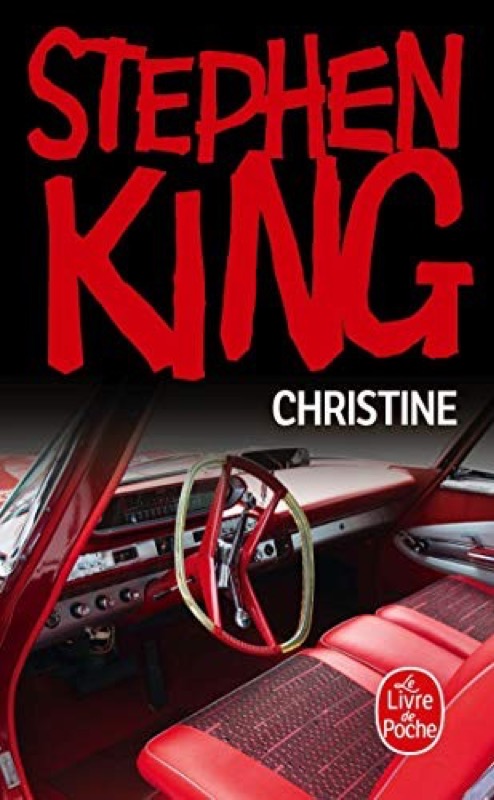
Christine
Hook & thesis
Stephen King’s Christine unearths the dark complexities of obsession and identity through a seemingly innocuous object: a car. Verdict: This novel masterfully intertwines the supernatural with the visceral, compelling readers to contemplate the true nature of possession and control.
The contextual pivot
Christine stands as a formidable entry in the gothic-horror-romance genre, blending elements of supernatural dread with poignant explorations of teenage angst and desire. In King’s oeuvre, it occupies a unique niche, merging the essence of classic horror with the psychological exploration of characters’ inner lives, akin to Shirley Jackson’s The Haunting of Hill House. This work appeals to a broad spectrum of readers, from genre aficionados to those intrigued by the darker aspects of human relationships, deftly bridging niche horror tropes with themes of longing and loss.
Deep-dive critique
King’s narrative structure in Christine operates on a dual timeline: one that reveals the protagonist’s spiraling descent into obsession, and another that captures the haunting history of the car itself. This interplay between past and present enhances the thematic core — the car serves not only as a symbol of desire but also as a catalyst for self-destruction. King’s prose is sharp and evocative, creating a sense of foreboding that envelops both the characters and their surroundings, heightening the tension between love and violence.
The characters, particularly Arnie and Christine, embody the struggles of adolescence intertwined with supernatural elements. King’s portrayal of Arnie’s transformation from a bullied teen to a possessive force exemplifies the loss of identity under the influence of insatiable desire. Dialogue is often laden with subtext, revealing the characters’ internal conflicts and the seductive pull of Christine. However, some may argue that certain secondary characters lack depth, serving primarily as foils to Arnie’s arc rather than possessing their own narratives.
While the ending is both shocking and earned, it raises questions about moral agency and culpability in the face of overwhelming desire. King compels readers to confront uncomfortable truths about obsession, leaving a lingering unease that mirrors the novel’s haunting themes.
Discussion launchpad
Christine presents polarizing themes that can ignite heated discussions about obsession, agency, and the supernatural. Some readers may view the car as purely a malevolent force, while others might argue it reflects Arnie’s inner turmoil.
Questions for the room:
- How does King’s depiction of obsession challenge or reinforce traditional narratives of romance?
- To what extent does the car function as a character in its own right, and what implications does this have for our understanding of agency?
- In what ways does the novel reflect societal views on masculinity and vulnerability through Arnie’s transformation?
- What role does nostalgia play in the characters’ relationships with Christine, and how does this affect their fates?
- Is the ending a cautionary tale or an affirmation of the power of desire?
#TheOrchidRoom #gothic #horrorromance #supernatural #obsession