
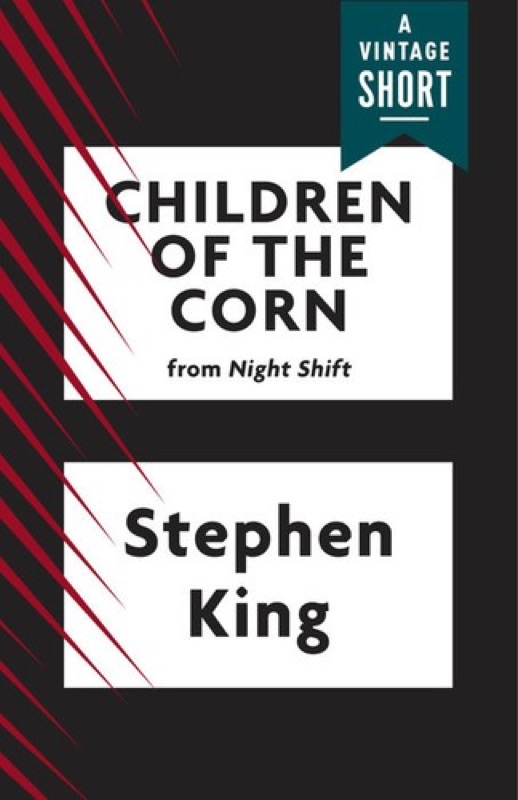
Children of the Corn
Hook & thesis
In Stephen King’s Children of the Corn, the terrifying intersection of innocence and malevolence serves as the book’s true engine, unraveling the sinister potential that lurks beneath the surface of rural life. Verdict: King’s masterful blend of gothic horror and societal critique reveals that the most dangerous monsters often wear the faces of our own children.
The contextual pivot
Grounded in the traditions of gothic horror, Children of the Corn exists within a landscape that merges folklore with psychological dread. King’s work often delves into the darkest corners of the human psyche, capturing an audience that appreciates the unsettling juxtaposition of everyday life with the supernatural. This novella not only resonates with seasoned horror aficionados but also reaches out to general readers, bridging niche tropes of cults and violence with relatable themes of estrangement and parental fear. In King’s oeuvre, this piece stands as a critical exploration of how innocence can be corrupted, a motif that echoes through much of his canon.
Deep-dive critique
The narrative structure of Children of the Corn expertly employs a tight, claustrophobic pacing that echoes the inescapable grip of its setting. King’s choice to utilize a third-person omniscient point of view allows readers to experience the horror from multiple angles, enhancing the sense of dread that permeates the story. The timeline is fluid, oscillating between the protagonists’ present fear and the unsettling history of the cornfield, which gives the narrative a layered depth that fosters both anticipation and anxiety.
The prose is characteristically rich, with King’s hallmark descriptive imagery that paints both the idyllic and the grotesque—fields of corn that sway gently in the breeze juxtaposed with the bloodied hands of the children who inhabit them. Dialogue moves with a natural rhythm, capturing the nuances of rural American speech while underscoring the growing tension between the characters. However, the thematic success of the novella is marred by a somewhat abrupt conclusion; while the ending is shocking, it may leave readers yearning for greater resolution regarding the implications of the cult’s beliefs and their impact on the protagonists.
Discussion launchpad
The hauntingly simple premise raises questions about the nature of evil and the roles of innocence and corruption, striking a chord that could polarize readers. The juxtaposition of claustrophobic rural life against the horrors of child indoctrination invites a deeper examination of societal constructs and familial bonds.
Questions for the room:
- Is the portrayal of children as agents of horror a reflection of societal fears, and how does it challenge our understanding of innocence?
- How does King’s use of setting amplify the psychological tension in the story?
- In what ways does the novella’s ending impact the overall message regarding the cyclical nature of violence?
- Can the suburban horror elements translate to contemporary issues, and if so, how?
- Does the novella ultimately suggest that evil is learned or inherent?
#TheOrchidRoom #gothic #horrorromance #literaryanalysis #darkheartlabs