
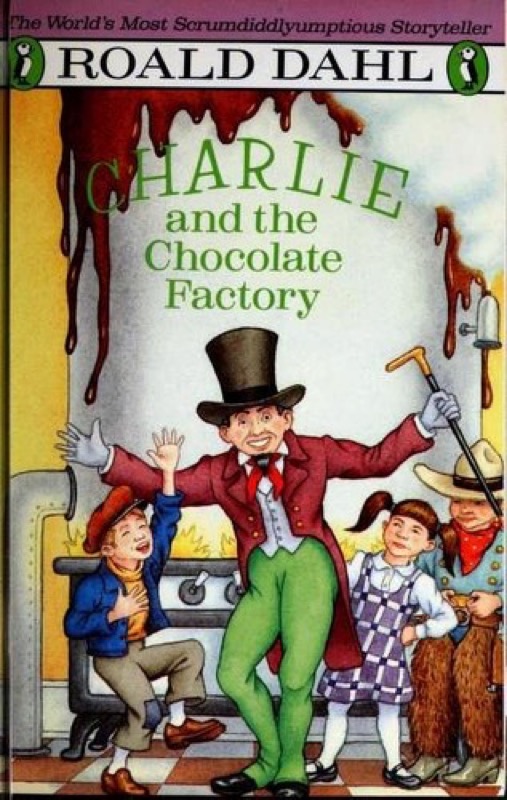
Charlie and the Chocolate Factory
Hook & thesis
“Charlie and the Chocolate Factory” by Roald Dahl serves as an imaginative exploration of morality and the consequences of greed, appealing to both children and adults alike. Verdict: Dahl masterfully intertwines whimsy with a profound moral lesson that resonates well beyond the pages of a children’s book.
The contextual pivot
As a staple of juvenile fiction, Dahl’s work stands out for its ability to blend fantasy with biting social commentary. This narrative fits into a long tradition of moral tales, akin to Aesop’s fables or Lewis Carroll’s whimsical storytelling, while exploring themes of virtue and vice. Dahl’s unique ability to bridge niche tropes—such as fantastical elements and moral lessons—makes this book accessible to a broader audience, ensuring its place as a beloved classic in both childhood reading and adult reflection.
Deep-dive critique
The structure of the novel cleverly mirrors the journey of its protagonist, Charlie Bucket, as he navigates the extravagant yet perilous world of Willy Wonka’s factory. The pacing is brisk, with each chapter unveiling a new wonder or warning, effectively maintaining reader engagement while delivering moral lessons. The use of third-person limited perspective allows readers to closely align with Charlie’s experiences and emotions, creating a strong bond with his character.
Dahl’s prose is characterized by its playful and vivid imagery, which contrasts sharply with the darker fates of the other children, emblematic of their flaws. For instance, Augustus Gloop’s gluttony and Veruca Salt’s entitlement serve as cautionary tales, emphasizing the consequences of indulgence and selfishness. While the fantastical inventions and whimsical characters are enchanting, they also frame a critical dialogue about societal values. The book’s conclusion, where Charlie’s goodness is rewarded, is not merely a happy ending; rather, it is a vindication of virtue over vice, making it both satisfying and thematically coherent.
Discussion launchpad
The juxtaposition of whimsy and moral seriousness presents a rich ground for discussion. How much of the book’s appeal lies in its ability to entertain while educating?
Questions for the room:
- Do you think the moral lessons overshadow the fantastical elements, or do they enhance the storytelling?
- How does Dahl’s treatment of the other children reflect societal views on behavior and consequences?
- In what ways does the book challenge traditional notions of good versus evil?
- What role does humor play in conveying serious themes within the narrative?
- How does Charlie’s character development compare to that of the other children?
#LitClass #Grade11 #RequiredReading #fantasy #children’sliterature